Sepsis: The Medical Emergency Hiding in Plain Sight

Health with Dr. Donald Greig, The New Clinic.

Share

Sepsis is one of those medical words many people have heard, but few fully understand until it affects someone close to them. It is sometimes described as “blood poisoning”, but that term is not entirely accurate. Sepsis is the body’s extreme and potentially life-threatening response to infection. Instead of simply fighting germs, the immune system becomes overactivated, triggering widespread inflammation that can damage tissues, reduce blood flow to vital organs, and, in severe cases, lead to organ failure and death.
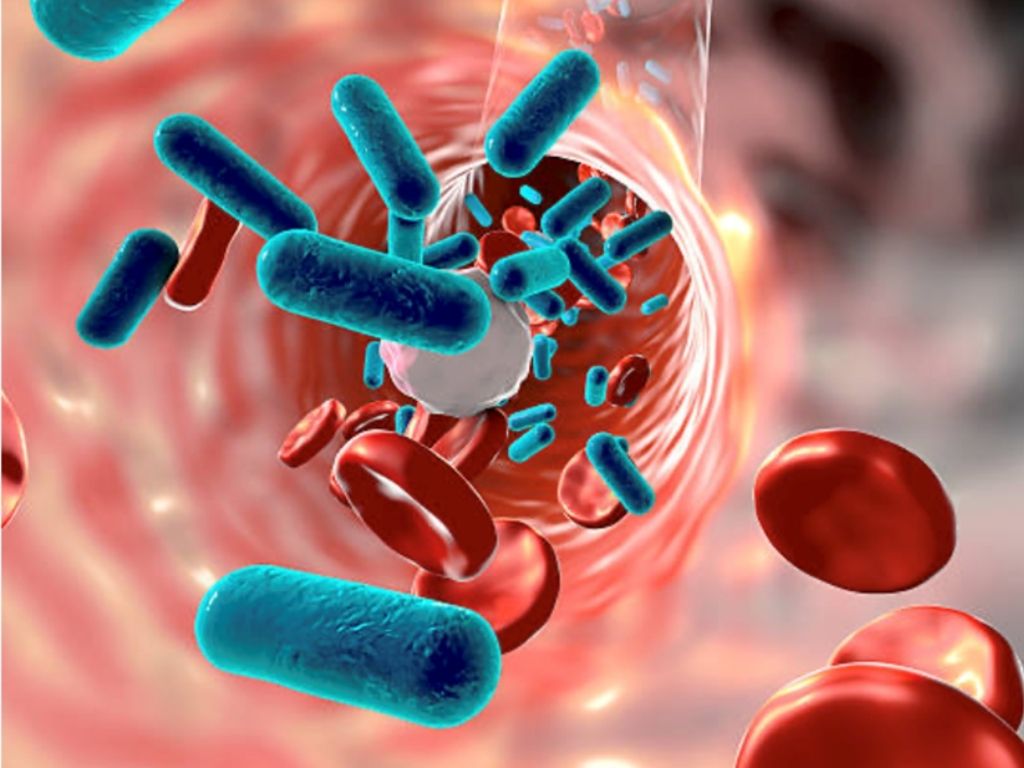

Any infection can lead to Sepsis

Common starting points include pneumonia, urinary tract infections, abdominal infections such as appendicitis or diverticulitis, infected wounds, skin infections, and infections after surgery. In Hong Kong’s busy community, where people often delay seeking care because of work or family pressures, it is important to understand that sepsis can develop quickly and may affect otherwise healthy people as well as those with underlying illness.

The seriousness of sepsis lies in its speed. A person may begin with what seems like a routine infection – a chest infection with fever, a painful urinary infection, or a red swollen wound – and then deteriorate over hours. Older adults, babies, pregnant women, people with diabetes, cancer, kidney disease, liver disease, immune suppression, or those who have recently had surgery are at higher risk. However, sepsis should never be dismissed simply because someone is young or normally fit.

Symptoms

Symptoms can vary, but warning signs include fever or abnormally low temperature, shivering, severe muscle aches, fast breathing, a racing heart, confusion, drowsiness, dizziness, reduced urine output, mottled or cold skin, and feeling “extremely unwell” or as though something is seriously wrong. In children, warning signs may include lethargy, poor feeding, rapid breathing, a rash that does not fade when pressed, or fewer wet nappies. Sepsis can be difficult to recognise because early symptoms may resemble flu, gastroenteritis, or other common infections.

A useful patient message is: if an infection is getting worse rather than better, seek urgent medical advice. If there is confusion, breathlessness, collapse, blue or mottled skin, severe pain, or inability to pass urine, this should be treated as an emergency.

Treatment

Treatment for sepsis needs to start quickly, usually in hospital. Doctors will assess vital signs, perform blood tests, take cultures to identify the source of infection, and often arrange imaging such as a chest X-ray, ultrasound, or CT scan. Treatment usually includes prompt antibiotics, intravenous fluids, oxygen if needed, and careful monitoring of blood pressure, kidney function, and other organs. In severe cases, patients may need intensive care support, medication to maintain blood pressure, ventilation, dialysis, or surgery to drain an abscess or remove infected tissue.

Prevention

Prevention also matters. Good hygiene, careful wound care, staying up to date with recommended vaccinations, managing chronic conditions such as diabetes, and seeking early treatment for infections can all reduce risk.

Sepsis is frightening, but awareness saves lives. For patients, families, employers, and community groups, the key is recognising when an infection has become something more serious. Early action can make the difference between recovery and tragedy. If in doubt, ask directly: “Could this be sepsis?”

Share

About the Author

Dr. Donald Greig

Dr. Greig is a general surgeon with 28 years of experience in Hong Kong. He contributes to scientific literature, publishes weekly patient newsletters and serves as a well-being educator and communicator, collaborating with prominent institutions and companies. 

www.thenewclinic.info

Place an Ad
For advertising enquiries, drop us a line at hello@beingneighbourly.com.

New Stories

Latest Posts

Stay Up To Date

Want the latest insights and fresh content delivered straight to your inbox? Subscribe to our newsletter and stay updated with our exclusive content!