The Best of Worlds

Being Neighbourly talks to Mark and Alan Francis about the Eurasian Society.

Share

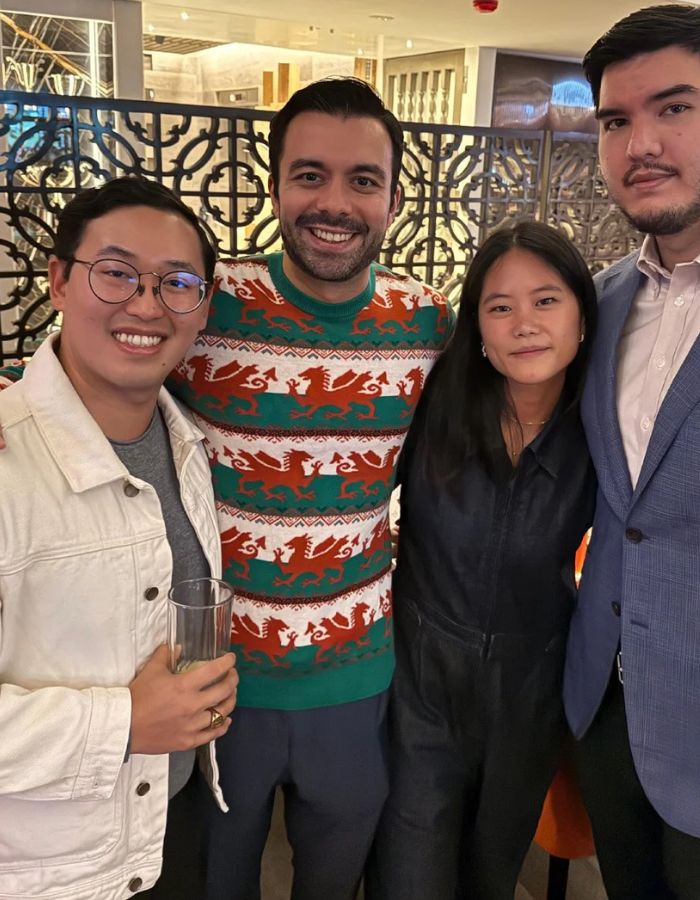
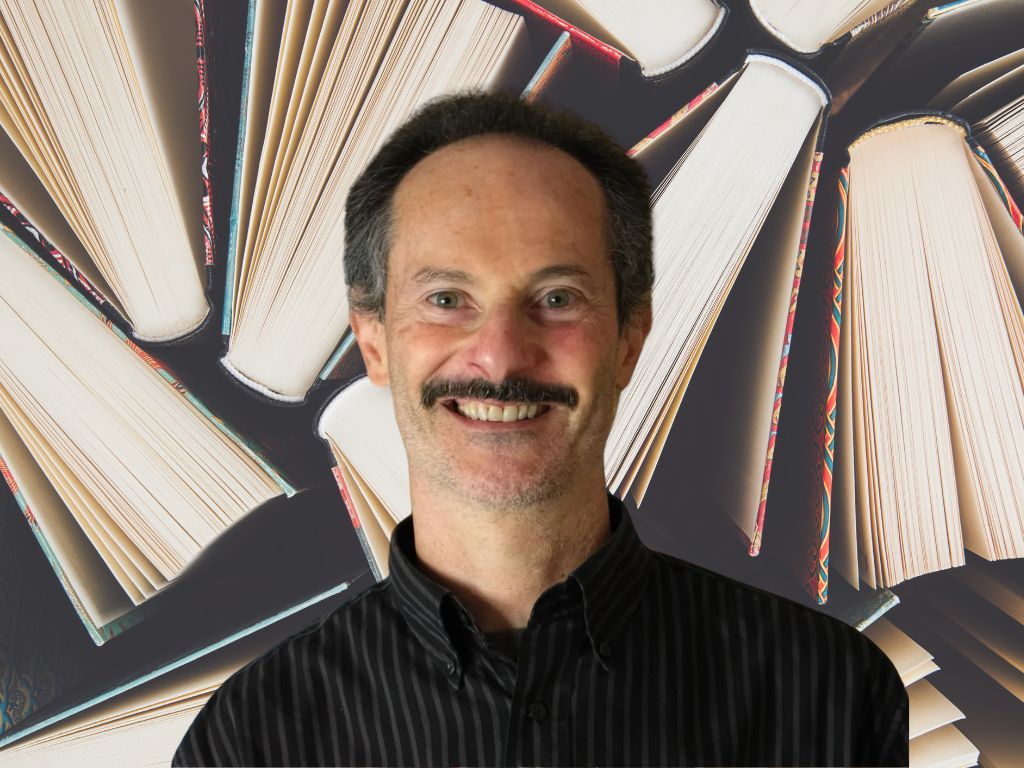
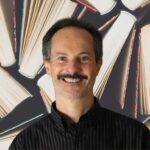
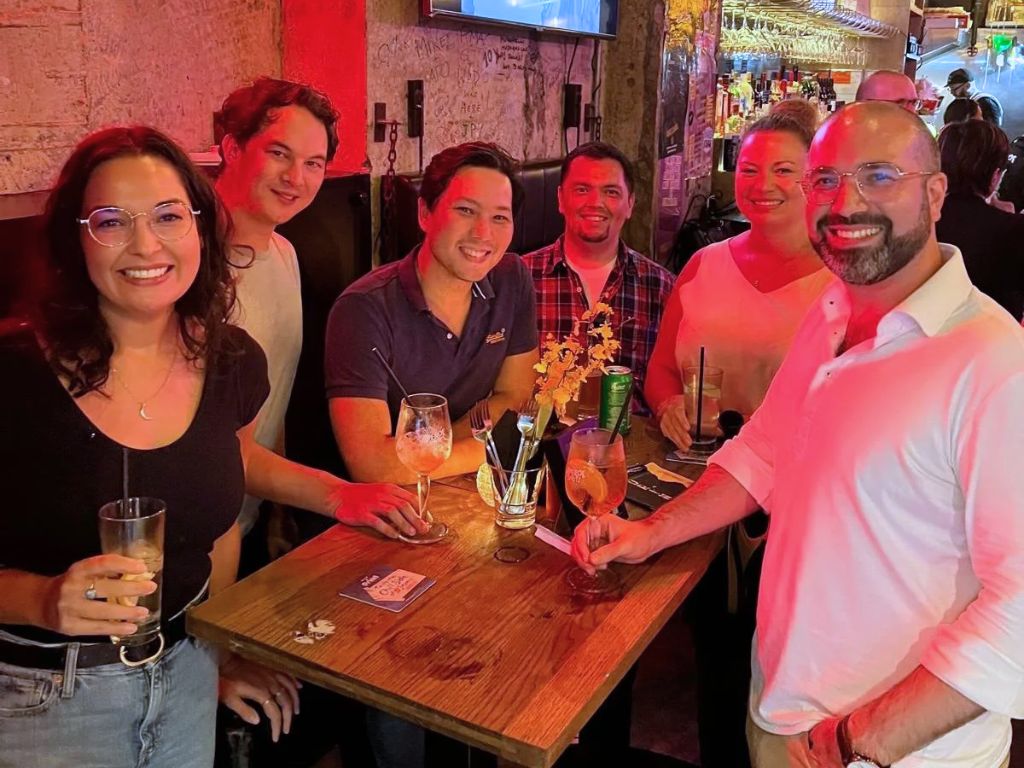
Mark Francis, Co-founder of the Eurasian Society on the right-most side of the photo.

Historically we believe being Eurasian has been an under-recognised identity in Hong Kong, but this is changing now. There is a huge number of people with mixed heritage these days and this will only continue,” says Mark Francis, CEO for an HR Tech startup and co-founder of The Eurasian Society with his younger brother Alan, a Senior account executive at a financial services company.

The 30- and 40-something Francis’s were born in Hong Kong, to a Welsh father and Eurasian mother, although neither of them has Chinese heritage, making them

somewhat surprising founders of an Eurasian Society in Hong Kong.

“Our mother is a ‘Burgher’ born in Colombo (back then Ceylon) to a Eurasian mother (Dutch/Sri Lankan) and a Eurasian father (Portuguese/Indian), which makes us part of a very small demographic!” says the elder brother.

Nonetheless, their father worked in the Hong Kong Police for more than 35 years before retiring to Penang, while their mother spent most of her career at Hong Kong Telecom making the SAR, “very much home”.

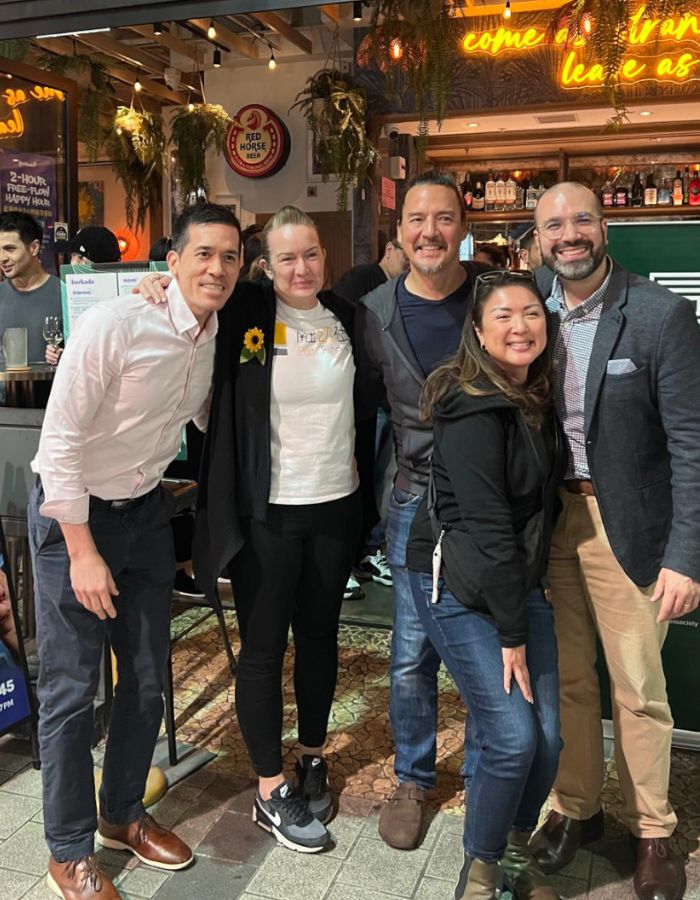
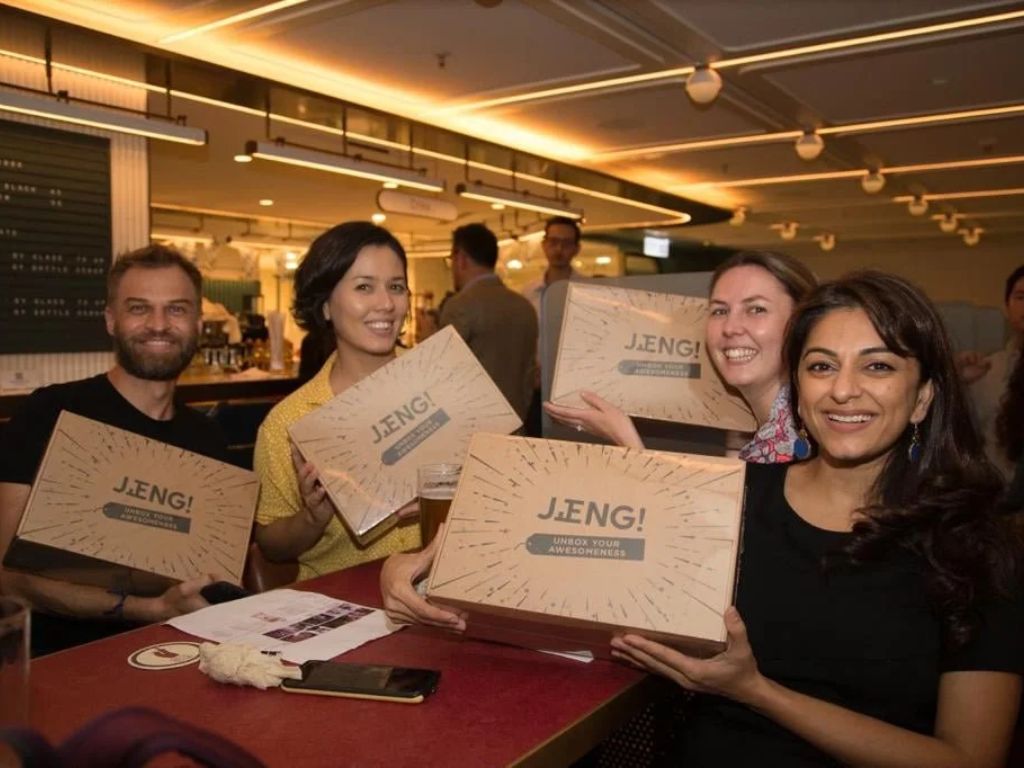
Eurasian and Third Culture Kids at a Eurasian Society meetup.

Register for Rowan

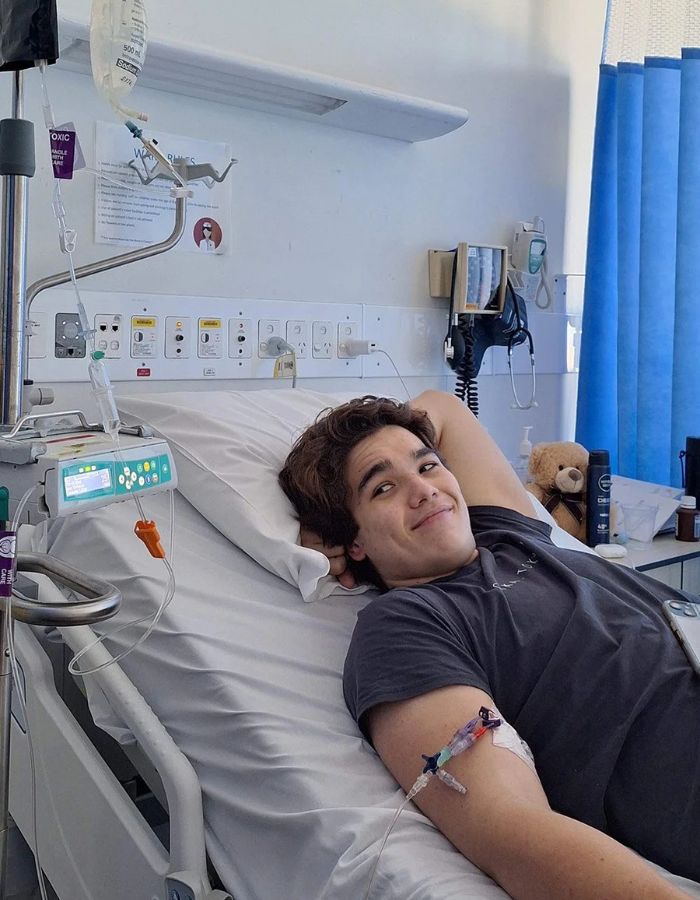
Rowan Tong-Law is 19 years old, studying physiotherapy at university, and lives in Australia. He’s a rugby player, music lover, friend, and someone with both Chinese and Scottish-English roots.

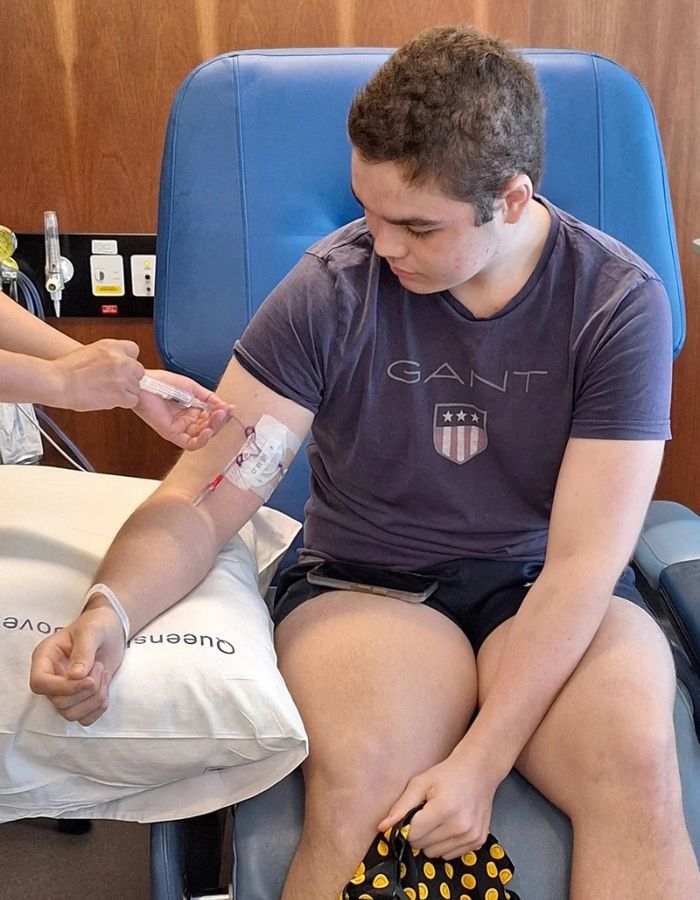
In September 2024, Rowan was diagnosed with Acute Myeloid Leukaemia, a rare and aggressive blood cancer. Six months of intensive chemotherapy, hospitalisation, and complications followed. But the treatment was not enough.

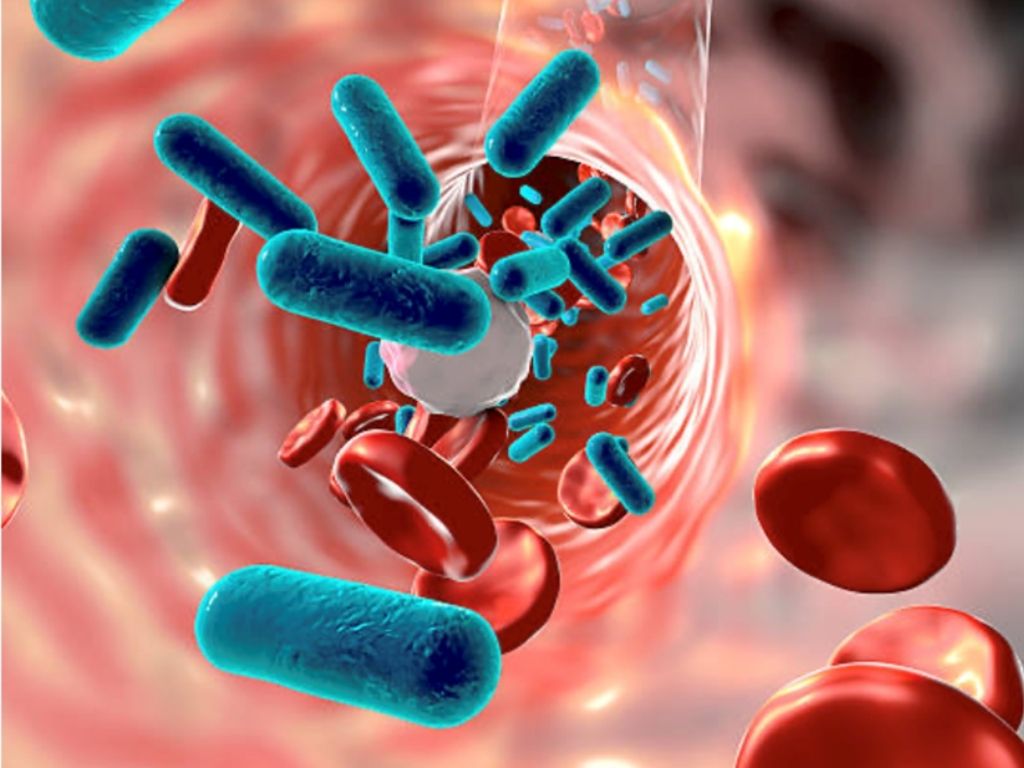
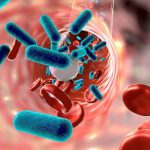
His only chance of survival now is a stem cell transplant. But so far, no match has been found. Not in Australia. Not in Hong Kong. Not even on the global registry. Why? Because Rowan is mixed-heritage. And that makes his genetic profile rare. Stem cell matching depends on something called HLA markers. It’s an immune system signature you inherit from both parents.

For individuals with blended backgrounds, the chances of finding a full match are significantly lower. And unless that changes, many like us will keep falling through the cracks.

As a child of a Chinese mother and a Scottish-English father, Rowan’s best chance is likely someone with a similar Eurasian background.

Rowan’s story is personal, but it’s not just about him. It’s a signal that our global healthcare systems aren’t yet built for a multicultural world. And that needs to change. The reason Rowan cannot find a match isn’t luck. It’s the result of a system that was never designed for people like him.

Stem cell transplants rely on something called HLA typing, short for Human Leukocyte Antigen. It’s your immune system’s way of recognising what belongs in your body and what does not. To avoid rejection, donors need to match as many HLA markers as possible with the patient.

But HLA is inherited, and that’s where things get complicated. For someone with parents from different cultural or ancestral backgrounds, their HLA combination becomes harder to match through existing systems. It’s not just rare, it may not exist at all in current registries. In fact:

  • Studies show that 75% of white European patients find a full match on global registries.

  • For genetically diverse patients, that chance can fall below 20%, or in some cases, under 5%

  • Even today, less than 5% of registry entries worldwide come from people of genetically diverse backgrounds.

  • Many registry systems still force donors to choose a single race, ignoring the genetic complexity of multicultural people. This creates blind spots and missed matches.

  • And despite decades of research, even the largest registries in the UK, US, and Asia-Pacific continue to show consistently low recruitment from underrepresented groups.

The result? People like Rowan wait longer. Some never find a match. And not because one does not exist, but because that person was never reached, never registered, or never counted properly in the system. This is not just a personal health crisis. It’s a systemic failure and a wake-up call for medical systems, educational institutions, and policy leaders.

As our societies become more diverse, genetic medicine has to evolve with us. The only way to do that is by making sure our registries reflect the people they claim to serve. We cannot change Rowan’s ancestry, but we can change the system that failed to include it.
 

“We’d been discussing the idea of an Eurasian Society for a number of years before it was officially created in 2021,” says the younger brother, adding that the society’s first ‘unofficial’ general committee meeting was in March 2020 (just before COVID).

The Eurasian Society believes that ‘identity is something to be celebrated, not simplified, and we work across education, advocacy, and belonging to make that belief a reality,’ reads their website. The society counts around 550 individuals in its fold of various mixes and even Caucasians, the common thread for all being their ‘Third Culture Kid’ status having grown up in a culture different from either of their parents. At any Eurasian Society meet-up, you’re likely to meet not only Eurasians, but Amer-Asians, Austro-Asians and Caucasians.

Requests for membership can be made through the society’s various channels or directly through their website. The Francis’s say they have around 20+ special discounts available to members, along with priority and discounted access to their events, plus other benefits.

But these are mere fringe benefits for a society whose unofficial calling is to be a home and whose mission it is to bring Hong Kong up to speed with its Asian contemporaries, “Singapore [which] has a well established Eurasian Association, with an over 100+ year history, and other established Eurasian organizations across countries including Malaysia, the Philippines, Australia, the UK and USA.

“Despite the long history of Hong Kong, as an east-west cultural melting pot with many Eurasians, there had never been a dedicated society for this demographic,” says Francis elder.

He continues, “In places like Singapore, you can find ‘Eurasian’ on the government census, alongside Chinese, Indian and Malay. So there is strong government support there as well.”

But, in Hong Kong, he continues, Eurasians have tended to be streamed into either being Chinese or Western, depending on their name and/or appearance [and language skills]. Historical figures in Hong Kong such as Sir Robert Hotung were considered to be ‘Chinese’ by many in the 

A Eurasian Society charity fundraiser for PathFinders.
Co-founder of the society, Alan Franses, centre.

Western community here [he was the first Eurasian allowed to reside on the Peak]. There was less emphasis on being a ‘Eurasian’. 

There is a greater acceptance of being Eurasian these days, with many proudly displaying or sharing the fact, says Francis younger, adding that this can be traced back to the ‘Big Bang’ of financial deregulation and globalization that occurred during the late 1970’s and early 1980’s when many business people travelled the world more actively and met partners in the countries they found jobs in.

The Eurasian Society aims to raise awareness, education and opportunities for Eurasians and ethnic minorities, in Hong Kong and abroad.

Each month they run events, ranging from the arts, food, music, networking, while 

raising money for their charity partners. Their current such partners are Pathfinders, Grassroots Future and the Foundation for Youth Development.

In addition, they’re currently running a campaign to get more Stem Cell Donors on the registry, to support the ‘Register for Rowan’ initiative in Australia, as, unbeknown to most, many individuals with mixed heritage struggle to find a matching donor. 

Rowan is an Australian-Chinese man in his twenties, whose parents contacted the Francis’s in the hope that they would be able to rally help for their son who suffers from Acute Myeloid Leukaemia.

The Eurasian Society offers the chance for friendship, networking and supporting the most vulnerable members of the Eurasian and wider Hong Kong community.

The Eurasian Society
1603, Nam Wo Hong Building, 148 Wing Lok Street, Sheung Wan, Hong Kong.

Share

About the Author

Being Neighbourly

For over 20 years, the people behind BN have been creating content on the best things in life: food, travel and inspirational people.

Join the VALUE Membership
Free B2B/B2C posting, first-in-line BN promos, peer support. Registered businesses only.

New Stories

Latest Posts

Stay Up To Date

Want the latest insights and fresh content delivered straight to your inbox? Subscribe to our newsletter and stay updated with our exclusive content!