Sun Safety Savvy: Protecting Against Basal Cell Carcinoma
Health with Dr. Donald Greig, The New Clinic
Author/ Dr. Donald Greig
Share
As we enter July, it’s essential to shine a light on skin cancer awareness, particularly basal cell carcinoma (BCC), the most common form of skin cancer. While melanoma often garners significant attention, understanding BCC is crucial given its prevalence and potential for serious consequences if left untreated.
What is Basal Cell Carcinoma?
Basal cell carcinoma originates from the basal cells in the epidermis, the outermost layer of the skin. It is generally caused by prolonged exposure to ultraviolet (UV) radiation from the sun, tanning beds, and frequent flyers exposed to the ionizing radiation at altitude which damages the DNA in skin cells. While BCC is usually not life-threatening, it can cause significant local damage and disfigurement if not treated promptly.
Different Morphological Types
Basal cell carcinoma presents in several morphological types:
Nodular BCC: This is the most common form, appearing as a small, pearly bump on sun-exposed areas of the skin like the face, ears, and neck. It may have visible blood vessels and is often ulcerated (termed a ‘rodent ulcer’).
Superficial BCC: This type manifests as a pink, scaly patch that may be mistaken for eczema or psoriasis. It typically occurs on the trunk and limbs and tends to grow slowly.
Morphoeic BCC: Also known as sclerosing BCC, this variant appears as a flat, scar-like lesion and can be more difficult to detect. It often spreads below the skin, making it more aggressive in nature.
Pigmented BCC: This type is similar to nodular BCC but contains melanin, which gives it a darker appearance. It can mimic melanoma, so accurate diagnosis is vital.
Infiltrative BCC: This less common variant invades deeper layers of skin and can be more aggressive. It often appears as a scar-like lesion and may lead to significant destruction of surrounding tissue.
Prevention
Preventing basal cell carcinoma is largely about minimizing sun exposure and practicing good sun safety:
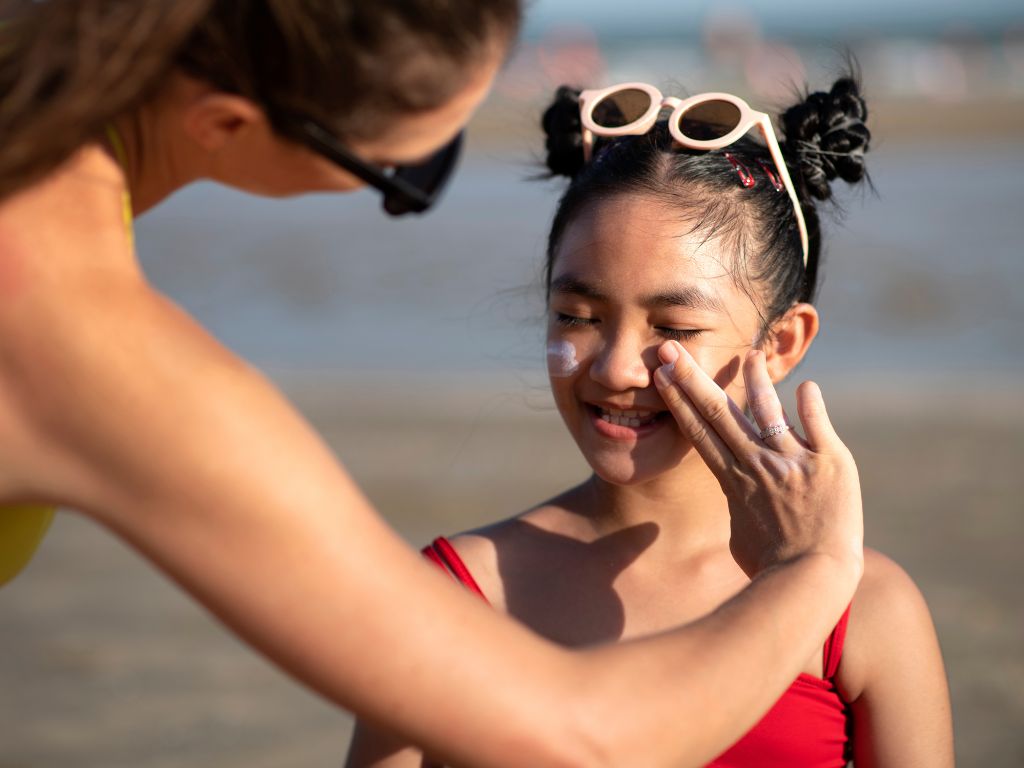
Use Sunscreen: Apply broad-spectrum (UVA and UVB) sunscreen with an SPF of 30 or higher, even on cloudy days. Reapply every two hours, especially after swimming or sweating.
Seek Shade: Limit sun exposure during peak hours, typically between 10 a.m. and 4 p.m., when UV rays are strongest.
Wear Protective Clothing: Long-sleeved shirts, wide-brimmed hats, and UV-blocking sunglasses can shield your skin from harmful rays.
Avoid Tanning Beds: Artificial UV exposure can significantly increase the risk of developing BCC and other skin cancers.
Regular Skin Checks: Conduct monthly self-examinations of your skin to identify any new or changing spots. Consult a dermatologist at least once a year for a professional skin examination.
Treatment Options
If diagnosed with basal cell carcinoma, several treatment options are available:
Surgical Excision: The most common treatment; the cancerous tissue is surgically removed along with a margin of healthy skin.
Mohs Micrographic Surgery: Particularly useful for larger or recurrent BCCs, this technique involves removing the cancerous layer one at a time while checking for cancer cells until no further evidence is found.
Topical Chemotherapy: Creams containing cytotoxic agents such as 5-FU can be effective for superficial BCCs.
Cryotherapy: Freezing the cancerous cells with liquid nitrogen may be an option for superficial BCCs but confirmatory tissue is not available for microscopic examination: a compelling reason to excise rather than freeze.
Radiation Therapy: Sometimes used for patients who cannot undergo surgery or for those with multiple BCCs.
Photodynamic Therapy (PDT): This involves applying a photosensitizing agent to the skin, followed by exposure to a specific type of light that destroys cancer cells.
Basal cell carcinoma is a common but preventable form of skin cancer that should not be ignored. It is curable and rarely spreads to distant tissues unlike melanoma. By understanding its various forms, focusing on prevention strategies, and being aware of treatment options, we can take proactive steps towards healthier skin and overall well-being.
Stay vigilant, prioritize skin care, and don’t hesitate to seek professional advice if you notice any changes in your skin. Awareness is the first step in combating BCC and promoting skin health in our communities.
Share
About the Author
Dr. Donald Greig
Dr. Greig is a general surgeon with 28 years of experience in Hong Kong. He contributes to scientific literature, publishes weekly patient newsletters and serves as a well-being educator and communicator, collaborating with prominent institutions and companies.