May is a significant month for raising awareness about strokes, an urgent health issue that affects millions of individuals worldwide. In Hong Kong, stroke remains one of the leading causes of death and long-term disability, making it imperative for us to understand the critical aspects of prevention, early intervention, treatment modalities, rehabilitation, and community support.
Understanding Stroke
A stroke occurs when the blood supply to a part of the brain is interrupted, depriving brain cells of oxygen and nutrients. This can result in brain damage and loss of function. There are two main types of strokes: ischemic, caused by a blockage of blood vessels, and haemorrhagic, caused by bleeding. Recognizing the signs of a stroke is crucial; symptoms can include sudden numbness, confusion, trouble speaking, loss of balance, or severe headache.
Prevention: Reducing Risk Factors
Preventing a stroke is possible by addressing controllable risk factors. According to the Hong Kong Department of Health, the following strategies can significantly reduce the risk.
Factors We Can Control
Healthy Lifestyle Choices:
Diet: A balanced diet rich in fruits, vegetables, whole grains, and lean proteins can help manage blood pressure and cholesterol levels.
Exercise: Regular physical activity promotes cardiovascular health. Aiming for at least 150 minutes of moderate exercise each week can lead to substantial benefits.
Weight Management: Maintaining a healthy weight reduces the burden on your heart and vascular system.
Control Chronic Conditions:
Hypertension: High blood pressure is a major risk factor for stroke. Regular monitoring and medication adherence are crucial.
Diabetes: Managing blood sugar levels can prevent damage to blood vessels.
Cholesterol: Keeping cholesterol levels within a healthy range can help prevent stroke.
Avoid Smoking and Limit Alcohol
Avoid Smoking and Limit Alcohol: Smoking is a significant stroke risk factor. Quitting smoking and limiting alcohol intake can greatly enhance overall health.
Early Intervention: The Importance of Acting Fast
The acronym FAST can help individuals recognize stroke symptoms quickly:
Face drooping
Arm weakness
Speech difficulty
Time to call emergency services
Time is critical; the sooner a stroke is treated, the better the chances of recovery. Early intervention can minimize brain damage and improve outcomes.
Latest Treatment Modalities
Advancements in medical science have led to innovative treatment options for stroke management. After the acute phase, thrombolysis (clot-busting medication) can significantly improve recovery outcomes for ischemic strokes. Additionally, mechanical thrombectomy, a minimally invasive procedure to remove blood clots, has revolutionized treatment for eligible patients.
Emerging therapies, such as neuroprotective agents and rehabilitation robotics, are being researched to improve brain recovery and function in post-stroke patients.
Rehabilitation: A Path to Recovery
Rehabilitation plays a vital role in regaining lost functions after a stroke. An interdisciplinary approach, including medical professionals, physiotherapists, occupational therapists, and speech therapists, ensures comprehensive support for recovering patients.
Physical Therapy: Helps regain strength, mobility, and coordination.
Occupational Therapy: Focuses on re-learning daily activities, from dressing to cooking.
Speech Therapy: Addresses communication challenges and aids in cognitive rehabilitation.
Community Support: Building Connections
Community support networks can play a critical role in the recovery process. Organizations such as the Hong Kong Stroke Association: www.stroke.org.hk; offer valuable resources, including support groups, educational workshops, and caregiver support. These networks foster connections that can reduce social isolation and provide emotional support, aiding in overall well-being.
As we observe Stroke Awareness Month this May, let’s commit to understanding, preventing, and managing strokes within our community. By prioritizing healthy lifestyles, advocating for early intervention, and ensuring robust rehabilitation and community support, we can work together to reduce the impact of strokes in Hong Kong. Awareness, education and support can save lives and improve the quality of life for stroke survivors.
Share
About the Author
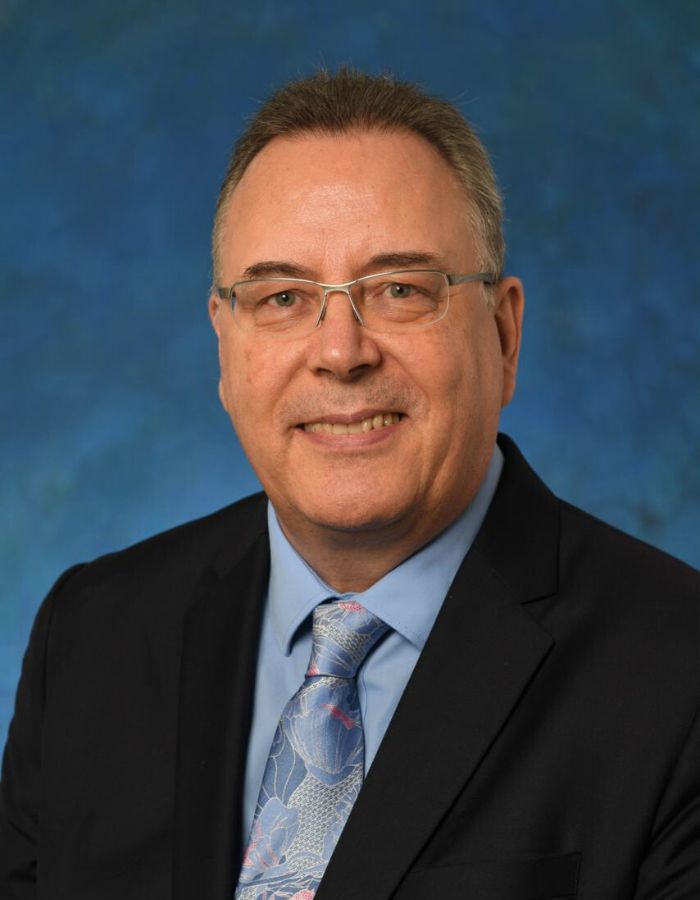
Dr. Donald Greig
Dr. Greig is a general surgeon with 28 years of experience in Hong Kong. He contributes to scientific literature, publishes weekly patient newsletters and serves as a well-being educator and communicator, collaborating with prominent institutions and companies.