Mya Kwan talks about finding your personal rhythm so that clothing supports rather than competes.
Author/ Mya Kwan
Share
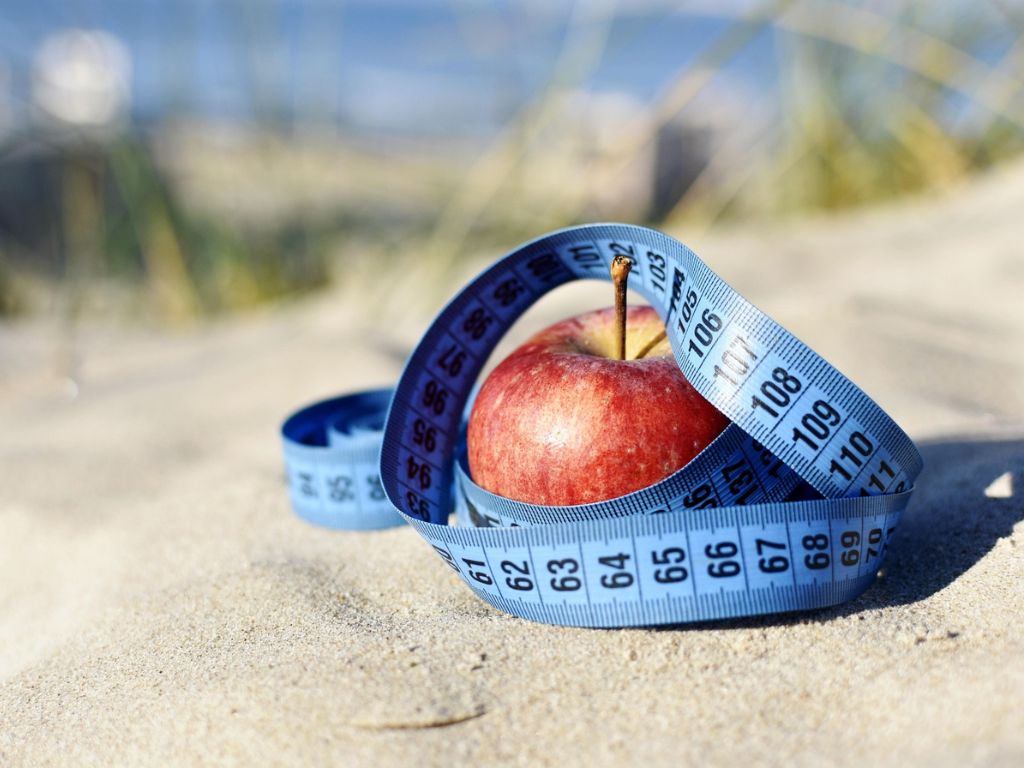
Credit: Laura, Pixabay.
Somewhere along the way, we started comparing ourselves to fruit — apples, pears, even strawberries — each body measured against categories that promise balance through rules. But real balance doesn’t come from labels or diagrams, it’s something we can observe and cultivate.
When I meet clients for the first time, one of the questions I always ask is:
“How do you want to feel in your clothes?”Calm? Expressive? Approachable? Competent? Or something else?
The answers are rarely about shape. They’re about alignment between how we feel inside and what we desire to project outward.
Balance, in the language of personal style, is a conversation between proportion, texture, colour, and emotional alignment. It’s the subtle sense that what you’re wearing supports you rather than competes with you. A crisp sleeve can lift your posture. A draped fabric can slow the day down, offering softness where it’s needed. Balance is noticing where visual energy gathers and where it needs room to breathe.
Here are a few ways to explore that:
1. Proportion with Intention
Balance often starts with proportion, not to hide or correct, but to bring the eye into harmony. If your shoulders are broader than your hips, straight or wide-leg trousers can add visual grounding and create a gentle downward flow. If your shape carries more volume at the lower half, a lightly structured shoulder or a more open neckline can lift attention upward.
2. Texture as Contrast
Harmony is rarely about matching. Play with opposites: matte beside gloss, soft beside structured, smooth against woven. These small contrasts keep the eye interested and create depth. Often the simplest outfits, such as a cotton shirt with a silk scarf or a knit next to leather, feel more refined because of this balance.
3. Colour and Composition
Colour shapes proportion just as much as cut. Light tones tend to draw the eye upward, darker shades create visual weight, and contrast gives definition. If your outfit feels heavy, try introducing a lighter accent near the face; if it feels disconnected, echo a tone from top to bottom. Experiment with how colour carries emotion too, and how a thoughtful use of it can tie a look together purposefully.
4. Emotional Alignment
Balance also lives in how clothes make you feel. On hurried mornings, it might be something soft that brings ease. On more demanding days, perhaps structure helps you feel supported. In this sense, balance begins long before the mirror. It begins in noticing what you need that day, and letting your wardrobe meet you there.
When we redefine balance this way, we release ourselves from body labels and instead begin practising awareness. It’s not about fitting into a type or rulebook, but about recognising what helps you feel at ease and assured in your own rhythm.
So this month, I invite you to step away from the fruit bowls. Approach your reflection with curiosity. Which silhouettes feel in rhythm with you today? Which fabrics calm you? Which combinations make you feel centred and present?
Because when we dress for balance rather than category, we start to see ourselves with greater clarity. That clarity, that grounded sense of presence, is where personal impact begins.
Share
About the Author
Mya Kwan
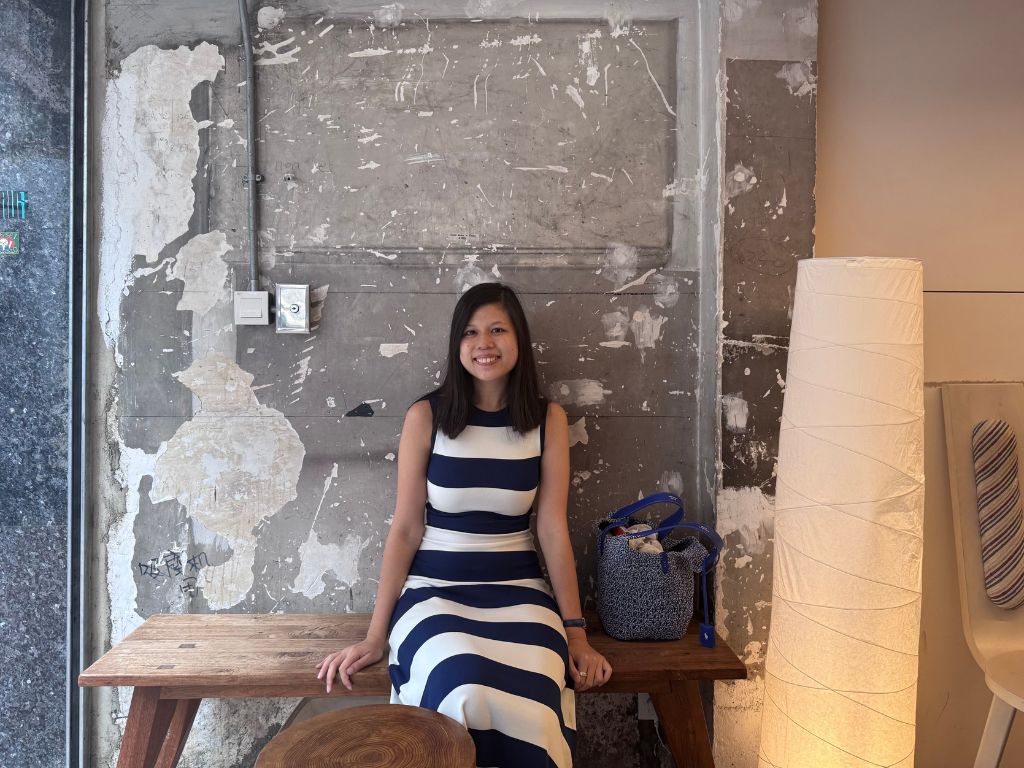
Mya Kwan helps people align what they wear with how they want to feel, bringing presence, joy and intentional style into everyday life. Her approach blends aesthetic clarity with emotional insight, showing how personal expression can shape not only how we look, but how we feel and connect.