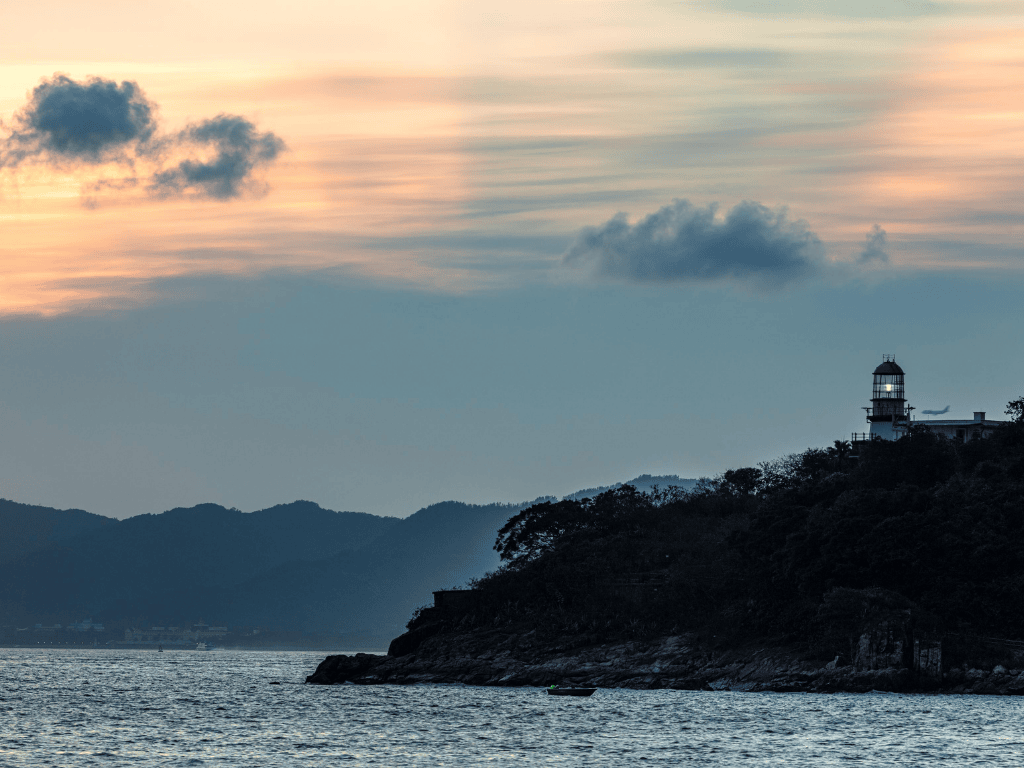
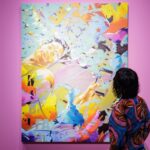
Being Neighbourly captures the icons and lesser-known sights of one of Hong Kong's most affluent districts.
Author/
Being Neighbourly
Share
Credit Peter Sung.
Southern is known for the deep pockets of its residents. Stretching from Big Wave Bay in the east to Pok Fu Lam in the west, it spans areas such as Shek O, Tai Tam, Stanley, Chung Hom Kok, Repulse Bay, Wong Chuk Hang, Aberdeen and Ap Lei Chau, making it perfect for a day at the beach. The district covers almost half of Hong Kong Island, yet is home to just 3.6% of the population. Of them, 40% actually live in public housing; well-known private estates include Prominent private housing developments in the District include Baguio Villa, Chi Fu Fa Yuen, Aberdeen Centre, South Horizons, Residence Bel-Air, Red Hill Peninsula and Hong Kong Parkview. Southern is also the location of Cyberport, Hong Kong’s IT Flagship, in Telegraph Bay, Pok Fu Lam; Ocean Park, and Aberdeen and Ap Lei Chau wet markets.
Land Area 38.8 km2
Population* 263,000 *2021 figures
Biggest Neighbourhood Ap Lei Chau
Shek O
The name Shek O literally means ‘Rocky bay’. It is a peninsula on the southern coast of Hong Kong Island, facing the South China Sea. Shek O Village has a history of around 200 years. It was established by fishermen and was once famous for its lobster. In earlier years, most residents lived on the land now occupied by the Shek O Country Club, from where they were forcibly removed. Today, Shek O is a popular weekend go-to with a sandy public beach, a public BBQ area and lots of restaurants. The scenery of Shek O has been the setting of numerous Cantopop music videos and Hong Kong director Stephen Chow’s 1999 film King of Comedy was also shot there.
Repulse Bay
Repulse Bay is a bay in the southern part of Hong Kong Island. It is one of the most expensive residential areas in the world and no visit for tourists is complete without stepping foot in The Repulse Bay Hotel where icons Ernest Hemingway and American actor Marlon Brando once stayed; and fellow American actors, William Holden and Jennifer Jones, stayed at the hotel in 1955 when filming Love Is a Many-Splendored Thing. During the Battle of Hong Kong during World War II, Repulse Bay was a strategic location. The Repulse Bay Hotel was used by the Japanese as a military hospital during the war. Repulse Bay has one of Hong Kong’s longest standing bus routes initiated to attract swimmers. The beach has been artificially extended and is one of the longest beaches in Hong Kong at 292m long.
Aberdeen
Aberdeen, literally. ’Little Hong Kong’ is an area in the southwest of Hong Kong Island in Hong Kong. It is named in memory of George Hamilton-Gordon, an Earl of Aberdeen in Scotland, former Prime Minister of the UK and former Secretary of State for Foreign Affairs. Aberdeen is famous not just for its tourist excursions but to locals for its floating restaurants the Sea Palace and now sunken Jumbo. The Tanka people, who used to live on boats in the harbour, now operate tourist rides on sampans or trips to nearby Ap Lei Chau and are among the friendliest people you’ll meet. During the fishing moratorium and typhoons, the Aberdeen Typhoon Shelters are a parking spot for vessels owned by local fishermen.
Ap Lei Chau
Ap Lei Chau or ‘Duck Tongue Island’ takes its name from its shape, reportedly the shape of a duck’s tongue. The island is located off Hong Kong Island next to Aberdeen Harbour and Aberdeen Channel.It covers 1.30 sq km after land reclamation, and is one of the most densely populated islands on earth. It consists of four main residential areas — Lei Tung Estate, Ap Lei Chau Main Street, South Horizons and Ap Lei Chau Estate, each with several highrise towers. There is also an industrial estate on the southern tip of the island. Sights of interest include The Hung Shing Temple on Hung Shing Street, which dates back to 1773. It’s a declared monument. Meanwhile, the Shui Yuet Temple aka. Kwun Yum Temple is on Main Street. Built at the end of the 19th century, it is a Grade III historic building. In 1968, Hongkong Electric opened a power station on Ap Lei Chau to provide electricity for the whole of Hong Kong Island, but this was later relocated to Lamma Island.
Chung Hom Kok
Chung Hom Kok is a popular site for BBQ and swimming, given its beach on the western shore in Chung Hom Wan. Meanwhile, Chung Hom Kok Battery, located at the southern end of the peninsula, was built around 1938. It is listed as a Grade II historic building. A narrow cave called Cheung Po Tsai Cave is a place of interest. It is located along the coast below the Battery and is said to have provided shelter to Qing dynasty (1644-1911) pirate Cheung Po Tsai.
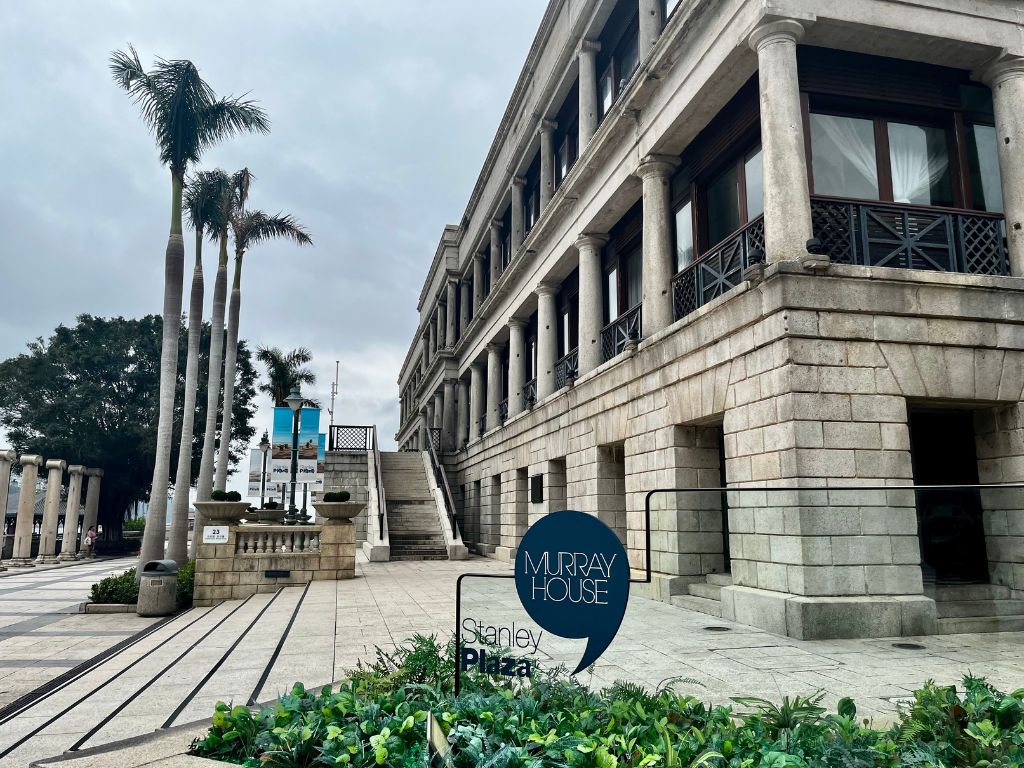
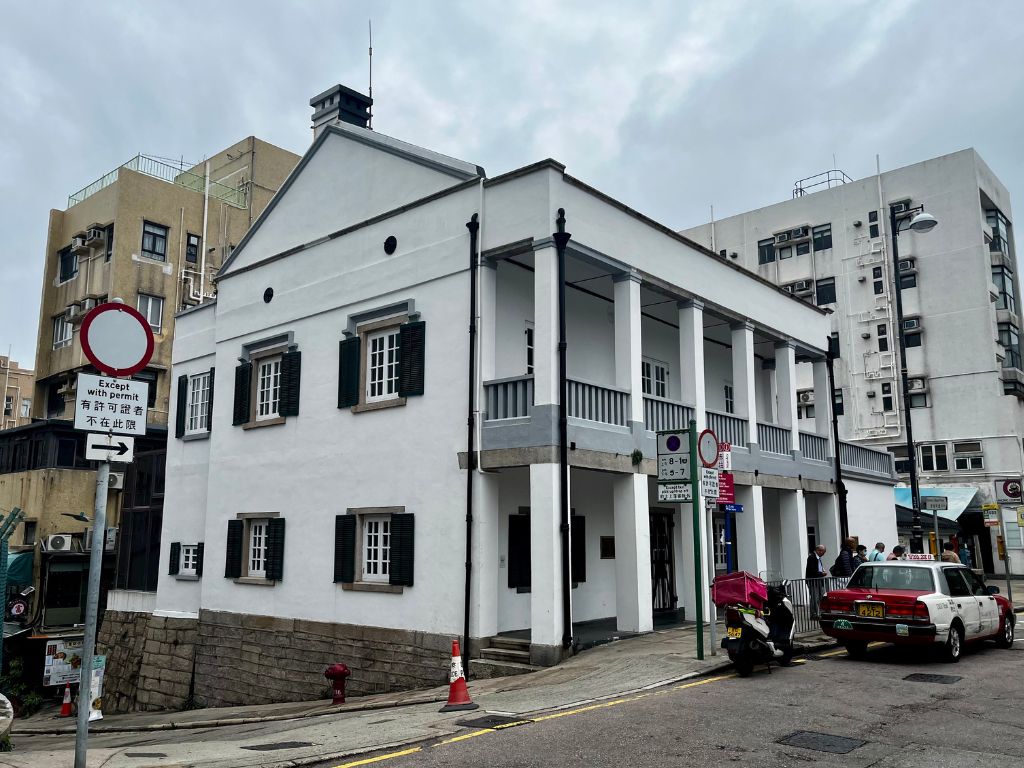
Murray House. Credit: Being Neighbourly.
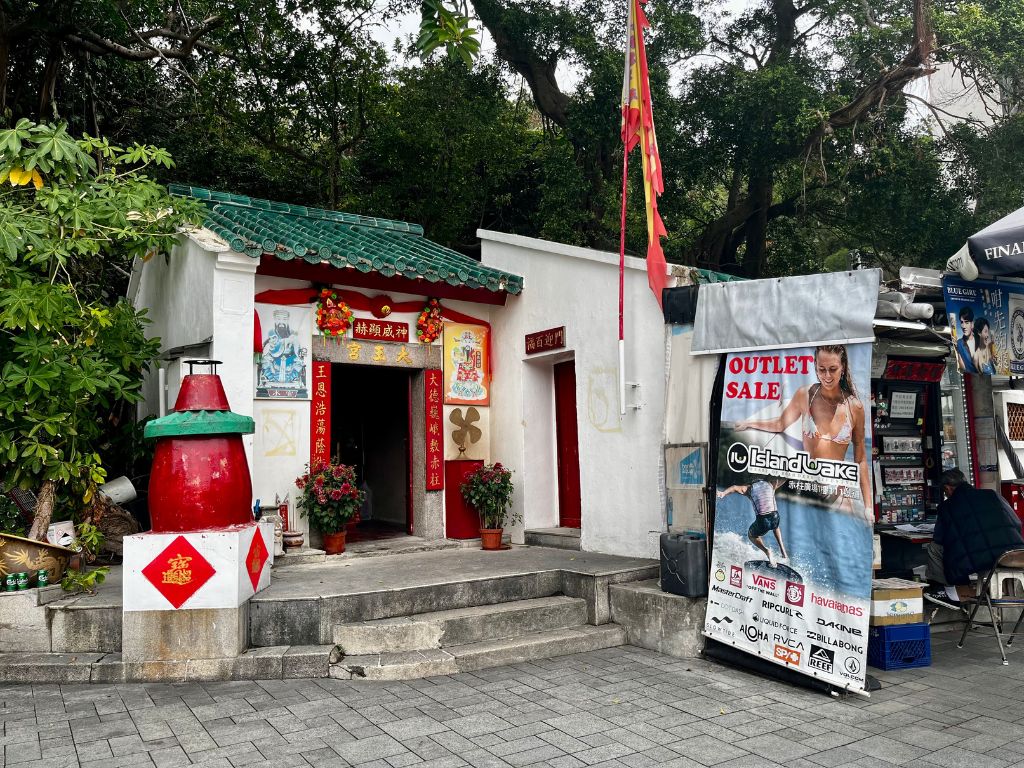
A shrine on Stanley Main Street. Credit: Being Neighbourly.
Stanley
Stanley, is a coastal town and a popular tourist attraction named after Lord Stanley (later Earl of Derby), who was British Colonial Secretary at the time of the cession of Hong Kong to the United Kingdom in 1842, and later became Prime Minister. It is east of Repulse Bay and west of Shek O, adjacent to Chung Hom Kok and Tai Tam. Once the most populous place on the island, it served as the capital of Hong Kong in 1841. Stanley is a market town, and though recently deflated, is still worth a visit for its stalls, dinky eateries, beaches and bays. Stanley is also the location of major correctional facilities, which you probably don’t want to visit and the Tin Hau Temple on Stanley Main Street, which you probably do. It is also an important location in the history of Hong Kong: present-day Stanley Fort was where British and Canadian troops mounted a last stand during the Battle of Hong Kong with survivors surrendering to Japanese forces in December 1941. It is now occupied by the People’s Liberation Army following the handover of Hong Kong in 1997.
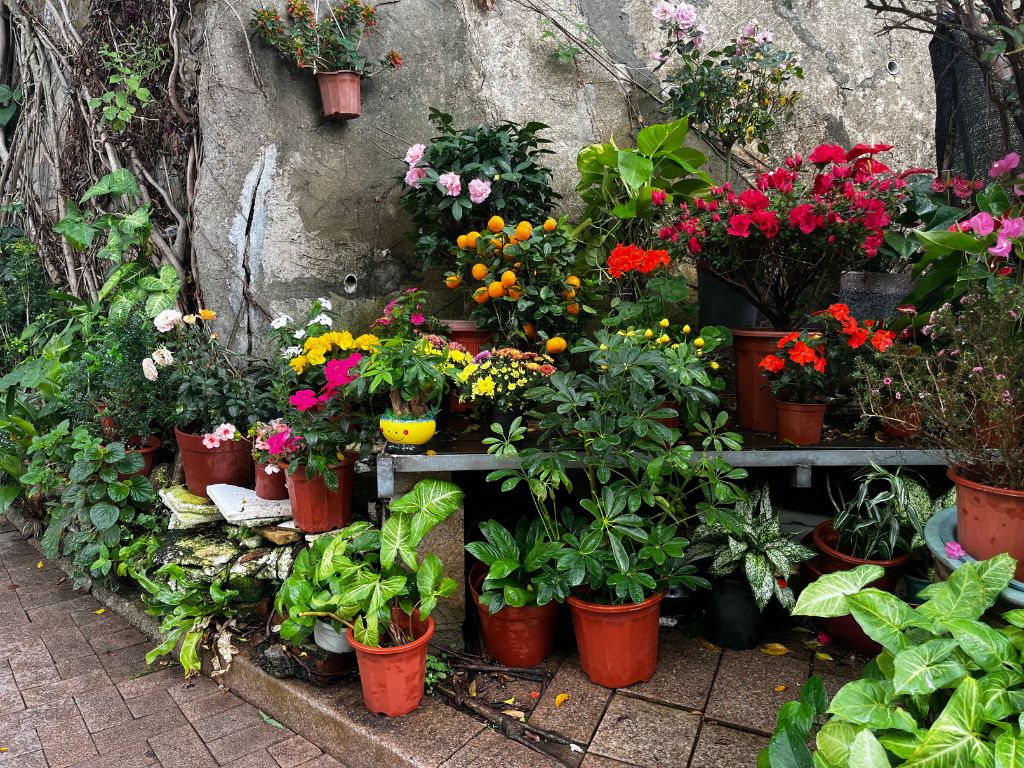
A burst of colour at the end of the promenade towards the beginning of Stanley Market. Credit: Being Neighbourly.
Old Stanley Police Station built in 1859. Credit: Being Neighbourly.
Tai Tam
Tai Tam means ‘Big pool’ in Chinese with present-day Tai Tam being the area around Tai Tam Tuk (reservoir). It covers the Tai Tam reservoirs, Tai Tam Country Park. Along Tai Tam Road are luxurious apartments and houses. Yet for all of its current-day glitz, the area was the scene of heavy fighting between Commonwealth and Japanese forces back in 1941.
Wong Chuk Hang
Wong Chuk Hang,‘Yellow bamboo grove’ is a historical neighbourhood (with Neolithic artifacts unearthed in a nearby region called Chung Hom Wan), but one that’s more popularly known for being the location of the theme park Ocean Park and luxury hotels that are popular weekend destinations for lunch or staycations.In more recent years, the area has become known for its art galleries, showrooms and catering companies.
Stay posted for our Southern insider guides coming soon.
All photos are the copyright of photographer Peter Sung, a talented photographer who was born in Hong Kong. When he’s not in the territory, Sung is travelling for work in the Mainland and beyond. His stunning colour and black and white photographs have been recognized by National Geographic and in November 2024, he was awarded the recipient of the inaugural ‘Being Neighbourly Creativity Award 2024’.
Share
About the Author
Being Neighbourly
For over 20 years, the people behind BN have been creating content on the best things in life: food, travel and inspirational people.
Coming Soon:
A new book celebrating community conversations and neighbourhood coffee shops.