Being Neighbourly x Madhur Phadnis, The Nesbitt Centre
Author/
Being Neighbourly
Share
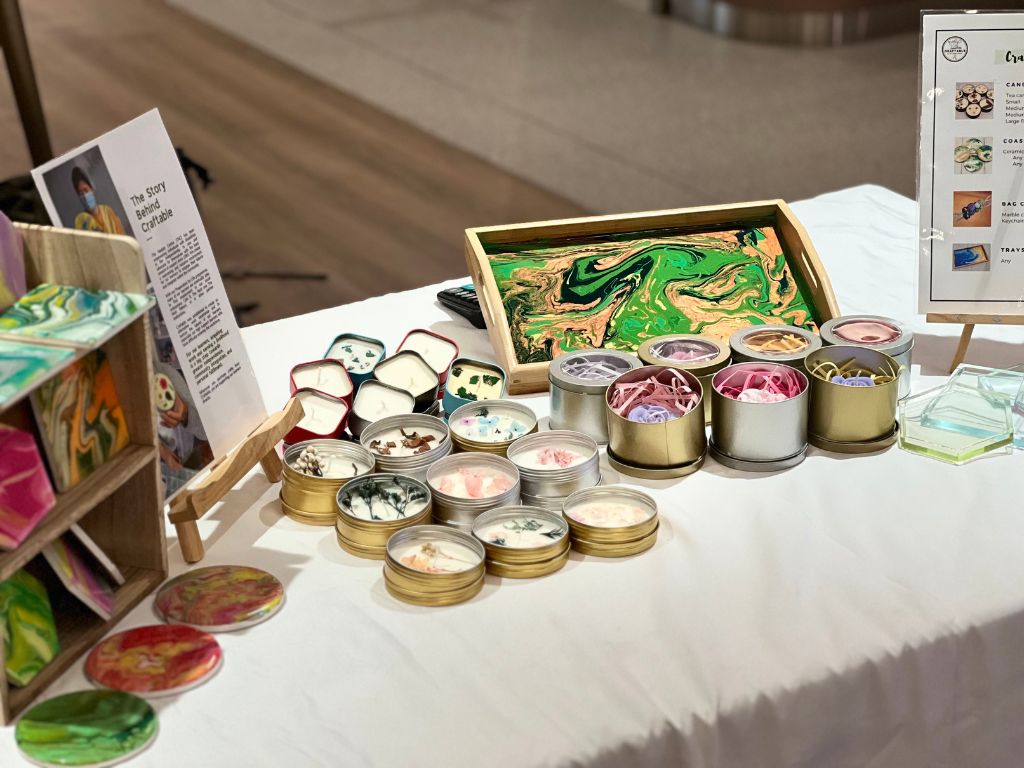
Candles, coasters and decorative trays made by Nesbitt Centre clients.
According to Madhur Phadnis, Assistant Head of SEN at The Nesbitt Centre (TNC), Hong Kong stands at a pivotal moment: it can transition from the medical model of “fixing” disability to a social model that dismantles barriers and builds truly inclusive spaces for people of all abilities.
David Nesbitt founded TNC 30 years ago in response to the demand for specialized services and educational opportunities in Hong Kong, particularly for English-speaking individuals with disabilities and their families. Concerned by this and for his own daughter’s situation, he established TNC with the goal of creating opportunities and services for young adults with disabilities in Hong Kong.
Not surprisingly, TNC has metamorphosed since its inception three decades ago. Beginning as a modest recreational space dedicated to supporting individuals with disabilities and neurodiverse needs in Hong Kong, it has evolved into a pioneering educational institution focused on lifelong learning and personal development.
“Early efforts centered on creating inclusive environments for social engagement and skill-building, which laid the foundation for the Preparation for Life program launched in 2002,” says Phadnis, adding that in 2025, they introduced a structured curriculum emphasizing communication, self-management, and vocational training to empower individuals towards greater independence and purpose.
As the organization grew, it recognized the, “urgent need for inclusive employment opportunities in the city”. To overcome this lack of opportunity, they established their social enterprise providing meaningful employment; and through partnerships with local businesses and government departments, established social enterprises—Cafe 8, The Nest Cafes, and The Nest Bakery.
“Our social enterprises do far more than pour coffee—they create real pathways for SEN young adults to grow, learn and belong,” he continues.” Over 50% of the staff at their venues come from the neurodiverse community.
Job placements are not confined to hospitality and success wears many faces, whether it’s achieving certain milestones or gaining confidence and independence.
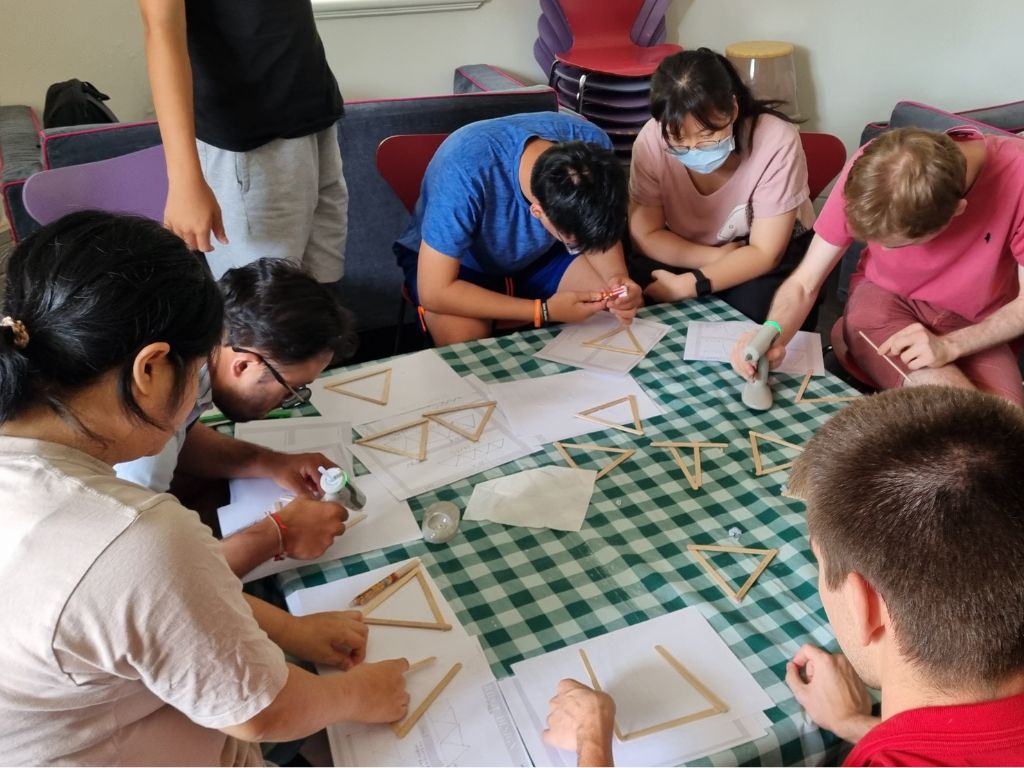
Learning skills is an important element for those lucky enough to be involved with the Nesbitt Centre.
“We are continuously forming new collaborations to create opportunities, enhance experiences and empower everyone on their path to independence and purpose,” she says. The charity’s recent partnerships focus on exploring roles in supermarkets and they are expanding into the fitness sector, training learners to become assistant trainers who now lead corporate wellness programs.
As individuals, Phadnis says we can deepen impact by learning about different disabilities, volunteering our time, donating our skills and advocating for accessible practices because differently-abled individuals continue to face stigma and key challenges such as: Accessibility barriers; rigid, traditional workplaces; employment discrimination; and the challenge of effective regulation of laws and ordinances.
“In Hong Kong, the government, businesses and civil society have made great strides—introducing accessible transport and facilities, medical services, vocational training and incentives for diverse hires—to foster more inclusive workplaces,” says Phadnis.
However, he counters that although Hong Kong’s legal framework does protect disability rights, uneven implementation and weak oversight mean many employers sidestep their obligations, further restricting workplace access.
He opines that organisations should embrace genuine inclusion by recognizing the full spectrum of disabilities, adopting social and human-rights models that focus on individuals’ strengths, implement universal design for learning and support, and ensure accessible workstations and flexible arrangements.
“By weaving personal and collective efforts together, inclusion becomes more than a policy—it becomes the way we live, work and connect every day,” says Phadnis.
What is the best thing about the work that you do?
Madhur Phadnis, Assistant Head of SEN at The Nesbitt Centre (TNC).
“The best work advice I ever received was deceptively simple: ‘Never do for someone what they can do for themselves.’”
“At first it sounded almost harsh, but it has since become the heartbeat of everything we do at The Nesbitt Centre. It reminds us to step back and create just enough scaffolding so our learners can take ownership of their own lives—whether that’s catching the MTR independently for the first time, communicating their own choices, or managing their own schedule.“
“This one principle is what turns assistance into true empowerment and dependence into dignity. It protects their self-respect, fuels their confidence, and explains why so many of our adults surprise themselves (and everyone else) with what they can achieve when we trust their potential.”
“Thirty years later, it still shapes every lesson plan, every shift at our cafés, and every conversation we have.”
The Nesbitt Centre LG/F Sai Ying Pun Community Complex, 2 High Street, Sai Ying Pun