As we step into February, it’s the perfect time to focus on cancer prevention and explore the factors that influence our health. While some elements that affect our likelihood of developing cancer are beyond our control, such as age, genetics, and gender, there are many proactive steps we can take to improve our chances of staying healthy. Understanding these controllable factors can empower us to make meaningful changes in our lives.
Factors We Cannot Control
At first glance, the risks associated with cancer may seem daunting. Certain aspects of our health are determined by circumstances we cannot change:
• Age: As we get older, the likelihood of developing cancer increases. Most cancers occur in people over the age of 50. However, notably some cancers are age specific e.g. testicular cancer is in an age group of 20-50 years and rarely occurs over 50.
• Genetics: A family history of certain cancers—like breast, colon, or prostate cancer—can increase your risk. If close relatives have had cancer, your own risk may be higher due to inherited genetic mutations.
• Gender and Ethnicity: Gender roles into specific cancer risks. Women are more susceptible to breast cancer, while men are at risk for prostate cancer. Additionally, some ethnicities may have higher rates of certain cancers.
• Location: Where you live can also play a role. For instance, exposure to UV radiation in sunny climates increases skin cancer rates, while urban environments may have different pollution levels affecting lung cancer risk.
• Mental Wellbeing: Although managing mental wellness may not directly prevent cancer, heightened stress, anxiety, and depression due to unforeseen life circumstances can impact overall health, potentially influencing cancer susceptibility.
While it’s essential to acknowledge these uncontrollable factors, it’s equally important to focus on what we can influence—starting with our lifestyle choices.
Factors We Can Control
1. Be Proactive About Your Health
Taking charge of your health is the first step in cancer prevention. Regular check-ups and screenings can help catch potential issues early, when they’re most treatable. Stay informed about your family history and discuss it with your healthcare provider. Knowledge is a powerful tool!
2. Embrace a Healthy Lifestyle
Adopting a healthy lifestyle can significantly reduce your cancer risk. Here are some practical steps: • Stay Active: Aim for at least 150 minutes of moderate exercise each week. Physical activity can help maintain a healthy weight and reduce the risk of cancers linked to obesity, such as breast and colon cancer. • Limit Alcohol: Consume alcohol in moderation. High alcohol intake is associated with an increased risk of various cancers, including breast, colon and liver cancer. • Avoid smoking and vaping
3. Diet & Nutrition
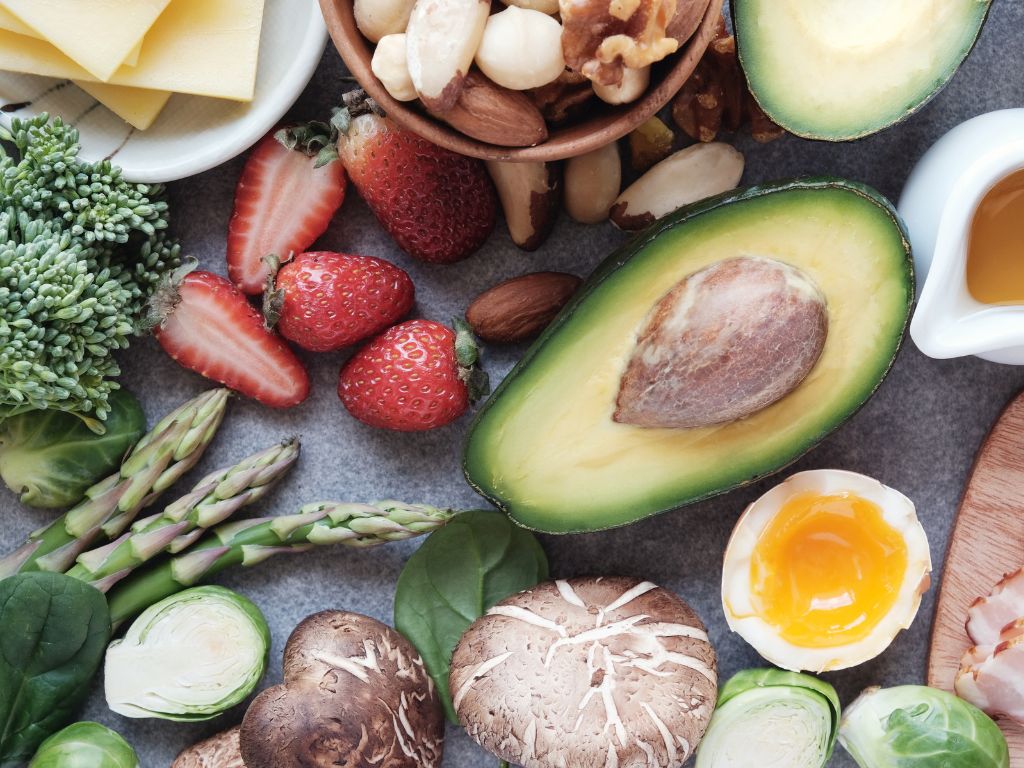
What we eat plays a pivotal role in our health. A well-balanced diet rich in fruits, vegetables, whole grains, and lean proteins can enhance your immune system and lower cancer risk. Here are some dietary tips: • Fruits and Vegetables: Aim for a colourful plate! Different colours of fruits and vegetables contain unique antioxidants and vitamins that can help protect your cells from damage. • Healthy Fats: Incorporate sources of omega-3 fatty acids, such as fatty fish, walnuts, and flaxseeds. These fats have anti-inflammatory properties and may lower cancer risk. • Whole Grains: Choose whole grains over refined grains. Foods like brown rice, quinoa, and whole-grain bread are high in fibre, which can aid digestion and potentially lower the risk of colorectal cancer. • Limit Processed Foods and Red Meat: Try to reduce your intake of processed meats and high-fat dairy. These foods have been linked to increased cancer risk. • Vitamin D supplementation: If you choose to take just one supplement, let it be vitamin D, as it interacts with over 200 genes and significantly impacts our metabolism and immune system. It may even contribute to extending your life!
While it’s impossible to control every factor in cancer risk, we can certainly take charge of our health through proactive measures. By focusing on a healthy lifestyle, regular screenings, and nourishing our bodies with wholesome foods, we empower ourselves to lower our cancer risk and boost our overall well-being.
For empowerment to be effective, it requires individual motivation and commitment as we commit to making positive changes. Together, we can cultivate a healthier community in Hong Kong, where knowledge and proactive living create a brighter future for us all!
For more information about vitamin D, click here and here.
Share
About the Author
Dr. Donald Greig
Dr. Greig is a general surgeon with 28 years of experience in Hong Kong. He contributes to scientific literature, publishes weekly patient newsletters and serves as a well-being educator and communicator, collaborating with prominent institutions and companies.