Being Neighbourly investigates the Eurasians community in Hong Kong.
Author/
Being Neighbourly
Share
Eurasians in Hong Kong are a long-established community of mixed European and Asian ancestry who have played a distinct role in the colony’s social, cultural, and administrative life. Emerging from intermarriage between European (primarily British, Portuguese and other Western) residents and local Chinese, Southeast Asian and South Asian populations from the 19th century onward, Eurasians often occupied intermediary positions—working as translators, clerks, teachers, traders, policemen, and in other colonial-era service roles. Over generations they developed their own family networks, institutions, and cultural practices that blend Eastern and Western traditions; today Hong Kong’s Eurasian community continues to contribute to the city’s multicultural identity while negotiating questions of identity, language and belonging.
X
History of Eurasians in Hong Kong
xxx
Key Historical Milestones
Early 1800s (pre-1841 context): Presence of mixed-ancestry families in South China and the Pearl River Delta precedes formal British rule; intermarriage between European traders/missionaries and local women creates early Eurasian lineages.
1841: British takeover of Hong Kong Island — colonial administration accelerates European settlement and the conditions for increased intercultural contact and intermarriage.
Mid-19th century (1840s–1870s): Growth of Eurasian population — many Eurasian children and families are born to European fathers (sailors, merchants, officials) and Chinese, Southeast Asian or South Asian mothers; Eurasians often find work in colonial institutions as intermediaries.
1860s–1900s: Institutional roles and education — Eurasians commonly employed in clerical, teaching, missionary and police-support roles; mission schools and Eurasian social networks help shape a semi-distinct community identity.
Late 19th–early 20th century: Religious and social institutions — formation or increased use of churches, clubs, and charitable organizations that serve Eurasian families and provide social support, schooling and vocational pathways.
1910s–1940s: Mobility and visibility — some Eurasians serve in the colonial civil service, commerce, and the medical and educational professions; community members participate in wartime efforts and experience the disruptions of the 1941–1945 Japanese occupation.
1941–1945: Japanese occupation — like other Hong Kong residents, Eurasian families face internment, displacement, or hardship; community networks are strained but later rebuilt after the war.
1947–1950s: Post-war reconstruction and identity shifts — the end of empire and changing immigration patterns affect Eurasian social positions; some Eurasians hold British nationality or ties while others integrate more closely with local Chinese society.
1950s–1970s: Cultural consolidation — Eurasian families increasingly urban and educated; some achieve prominence in business, education, media and the arts; distinct cultural practices (language use, cuisine, social clubs) continue to define community life.
1980s–1997: Political transition and uncertainty — as the 1997 handover approached, issues of nationality, residency and identity became salient for many Eurasians, particularly those with British passports or ties to the colonial administration.
1997: Handover to China — sovereignty transfer prompts adaptation to a new governance era; Eurasians continue to live, work and participate in Hong Kong society while negotiating multicultural identities in a post-colonial context.
2000s: Recognition and representation — increased visibility of Eurasians in public life, media and culture; greater interest in family histories, genealogy and preservation of Eurasian heritage and archives.
2010s–2020s: Research and community revival — academic and community efforts document Eurasian histories, oral histories and material culture; festivals, exhibitions and digital projects highlight Eurasian contributions to Hong Kong’s plural society.
Ongoing: Identity, assimilation and heritage preservation — contemporary Eurasians balance multiple linguistic and cultural affiliations (English, Cantonese, Portuguese, etc.), maintain family and religious traditions, and contribute to Hong Kong’s multicultural landscape while engaging with questions of belonging in a changing city.
Key Aspects of the Community
Occupations: xxx
Social & Economic Challenges: xxx
Integration: xxx
Cultural Identity: xxx
A Bridal Tradition
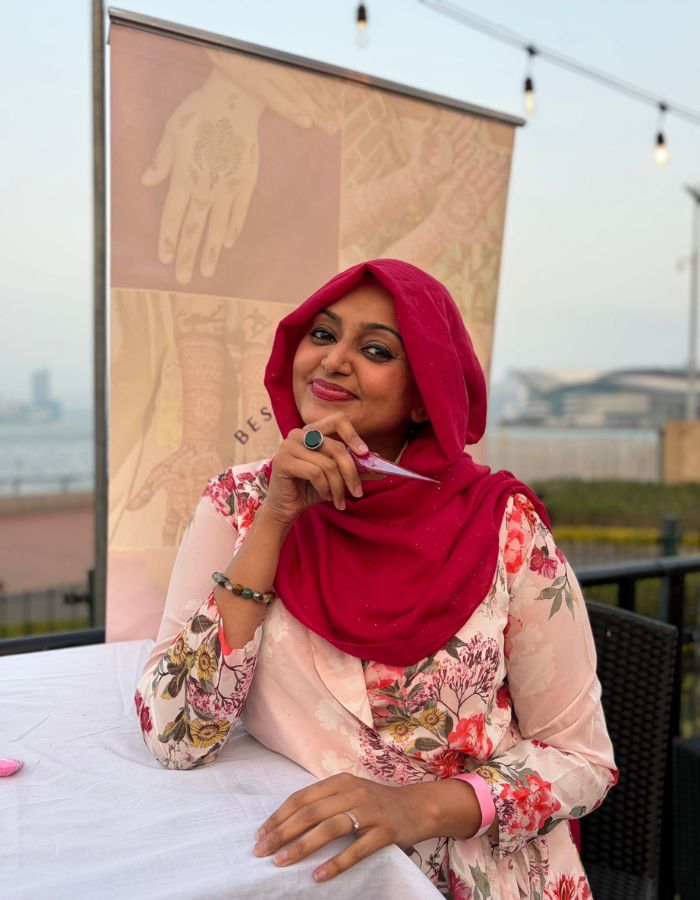
Sarah in between clients.
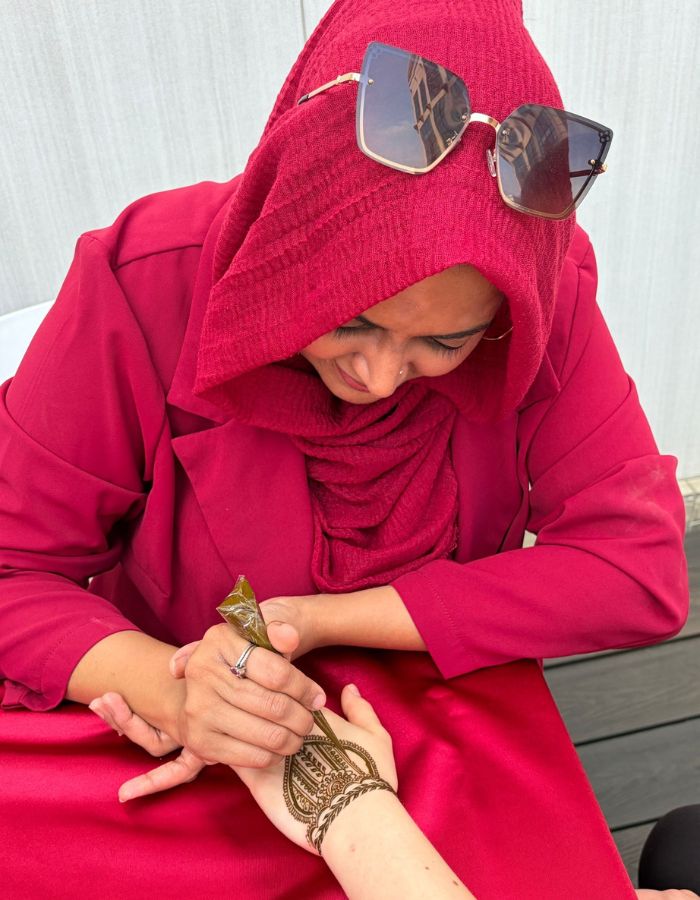
The ancient art of henna.
xxx
Observing xx in Hong Kong
xx
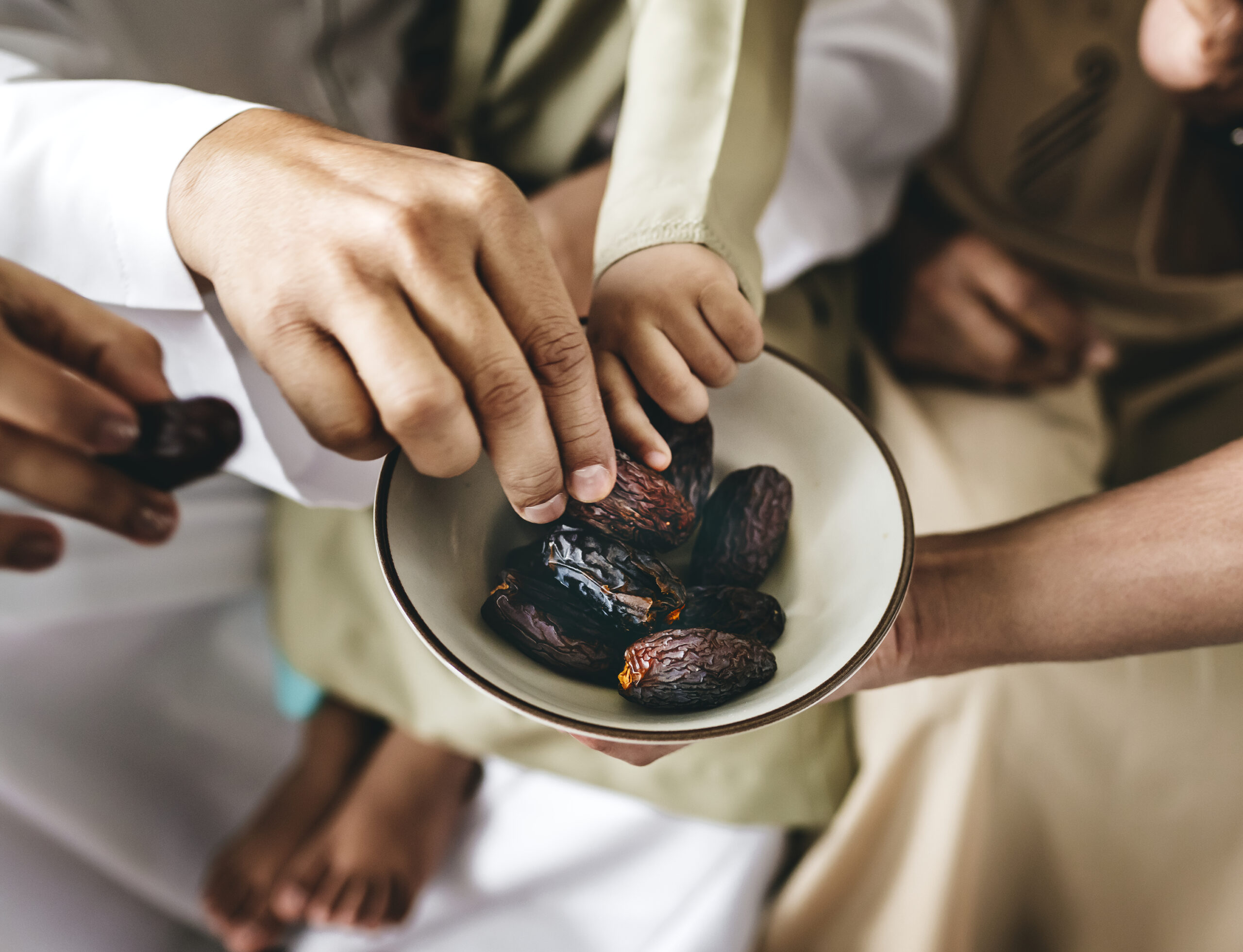
Breaking the fast at sunset, 'Iftar'.
X
X
Looking to the future
Famous Eurasians
X
X
Share
About the Author
Being Neighbourly
For over 20 years, the people behind BN have been creating content on the best things in life: food, travel and inspirational people.