Seeing, Supporting, Understanding

Being Neighbourly x Mary Schaus, Talos Foundation

Share

Mary Schaus leads the Talos Foundation with passion borne out of her personal situation.

For me, this work is deeply personal because it began with my son, Alexander. When he was diagnosed at the age of three, it opened my eyes to how challenging it can be for families navigating systems that are not always designed with neurodivergent individuals in mind,” says Mary Schaus, Founder of the Talos Foundation.

According to Schaus, whose son is now 12, many families in Hong Kong are navigating life with neurodivergent children or adults. She shares that neurodiversity includes conditions such as autism, ADHD, dyslexia and other neurological differences, many of which are not immediately visible to others.

“Many neurodivergent individuals appear physically typical but may experience sensory overload, communication challenges, or difficulties processing information in fast-moving environments. Not all invisible disabilities are neurodivergent, but there is significant overlap. The key issue is that when differences are not visible, misunderstandings can occur easily in public spaces,” says Schaus, adding that what matters most is helping create a community where people feel seen, supported and understood. “When society recognizes that neurodivergent individuals have strengths and talents to contribute, it benefits everyone.”

Community supports families and affected individuals for the better.

According to Schaus, neurodiversity has always existed, but our understanding of it has evolved significantly. Conditions such as autism, ADHD, dyslexia and other cognitive differences are now better understood by clinicians, educators and families than they were even 10 or 20 years ago.

As a result, she says that many people who might previously have gone undiagnosed are now being identified earlier, particularly in childhood. This earlier diagnosis allows families to access support sooner and helps individuals better understand how they experience the world.

“In my view, what we are seeing is not necessarily a sudden rise in neurodivergent individuals, but rather a rise in awareness, diagnosis, and language around these differences. We also now recognize that neurodiversity exists across a wide spectrum. Some individuals communicate verbally, others use augmentative communication devices. Some require significant support, while others thrive independently in school or professional environments.”

Her son Alex, she says, wakes up every morning with a smile. He communicates using limited words and also through an AC device, which has been, “transformative for him”.

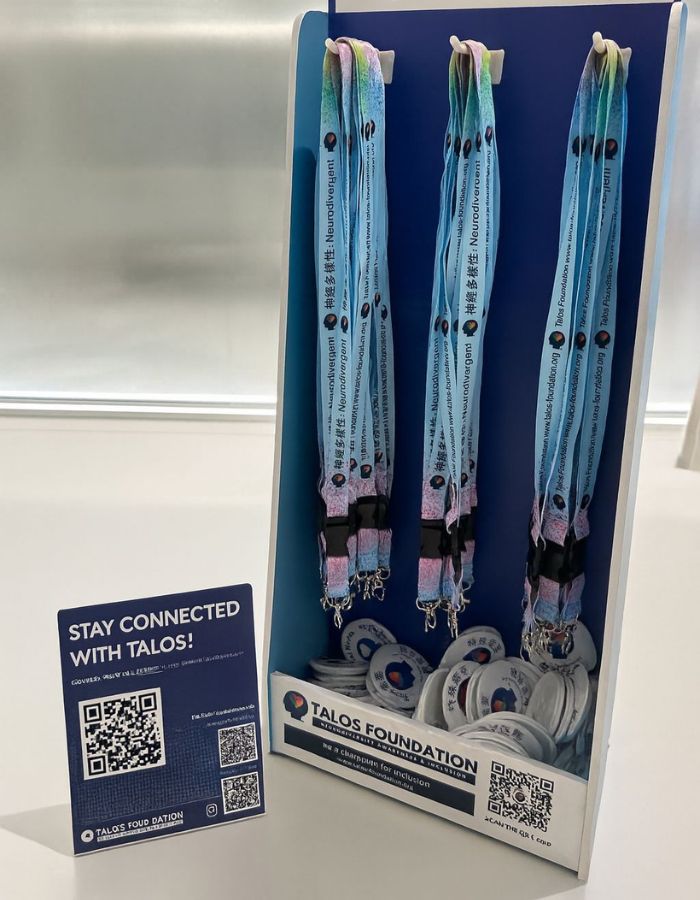
Talos Foundation lanyards.
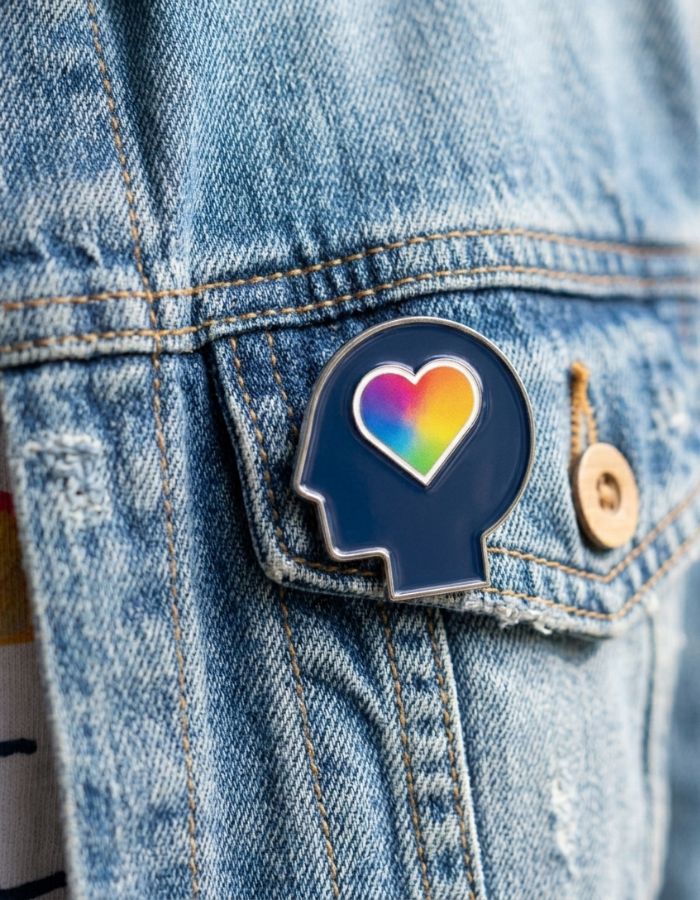
Talos Foundation buttons.

The Talos Foundation have also created lanyards and buttons to be used in Alexander and other’s daily lives because they help prevent misunderstandings in public.

“When people see them, they immediately understand that he [and others with invisible disabilities] may experience the world differently, and that small adjustments or patience can make a big difference.”

Shaus says that the Foundation has seen the same effect with thousands of families across Hong Kong. Since launching the initiative, it has distributed more than 20,000 free lanyards, buttons and stickers, and demand continues to grow.

“They are especially helpful in busy public environments such as the MTR, airplanes, shopping malls, restaurants and buses. Hong Kong is a fast-moving city that values efficiency, but it is also a community where people care about families. Once people understand what they are seeing, they usually respond with empathy and support.”

Schaus shares that every society goes through a process of understanding neurodiversity and that some countries have had more time to develop public awareness, support services and inclusive policies, such as parts of North America and Europe, where conversations about neurodiversity have been part of mainstream education and workplace discussions for longer, which has helped shape more structured support systems.

Hong Kong is entering a period of greater awareness.

Meanwhile, she opines that Hong Kong is moving in the same direction, but that awareness is still developing. “In many cases, the challenge here is not unwillingness to support neurodivergent individuals; it is simply a lack of familiarity with what neurodiversity means in everyday life.”

This is precisely why their lanyards and buttons have been so impactful for the wearers, parents and caregivers who already carry an enormous responsibility, without needing to explain the affected person’s situation each time. “Parents and caregivers are not only raising their children but also navigating education systems, healthcare providers, social environments and, often, public misunderstanding.”

To help stave off the exhaustion and isolation, community matters so much. “When families connect with others who understand their experiences, it becomes easier to share knowledge, emotional support and practical advice,” says Schaus adding that most parents in the neurodivergent community are already doing their very best.

“What makes the biggest difference is ensuring they do not have to do it alone. Community support is essential for this work. For individuals, the most important contribution is awareness. Learning about neurodiversity and responding with empathy in everyday situations can have a profound impact on families.”

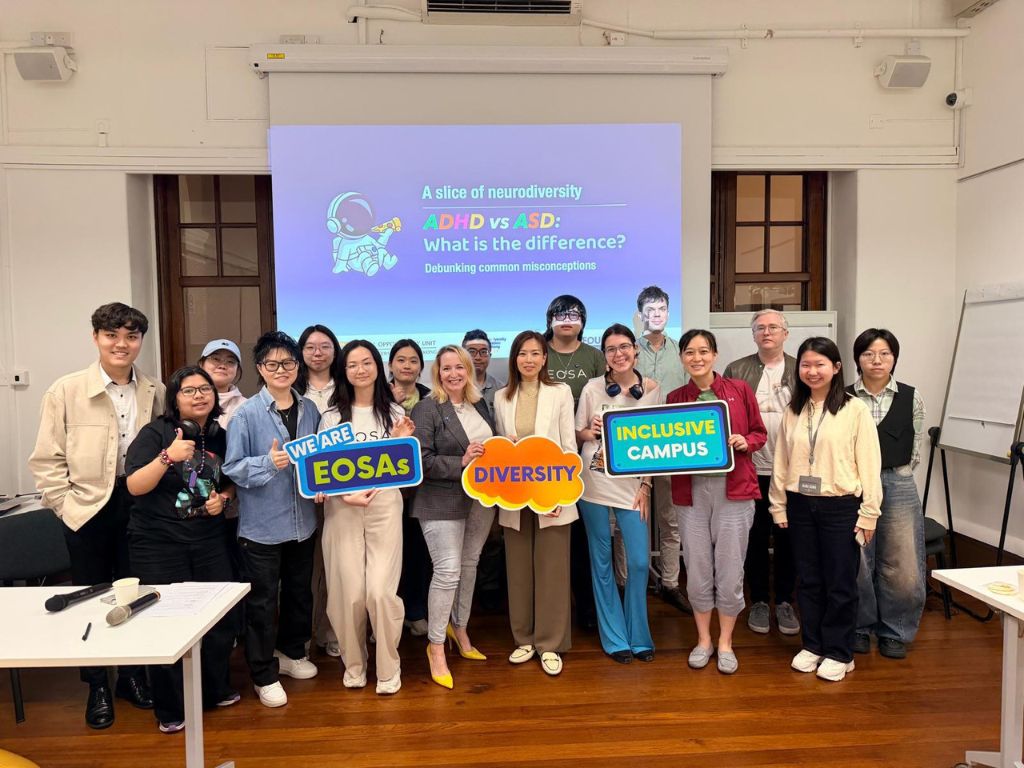
Schools, companies and community organisations, she says, can help by inviting educational talks, hosting screenings of their upcoming film, or creating environments that are more inclusive for neurodivergent individuals.

When the community participates, awareness grows. And when awareness grows, acceptance follows.

Once people understand, attitudes change quickly. I am optimistic that Hong Kong and the wider Asian region are approaching a period of transformation as awareness continues to grow.”

The Talos Foundation is currently fundraising to complete their animated short film, Invisible Differences, the goal of which is that it be shown widely in schools, universities, workplaces and public institutions across Hong Kong. If you would like to donate, click here.
What is the best thing about the work that you do?

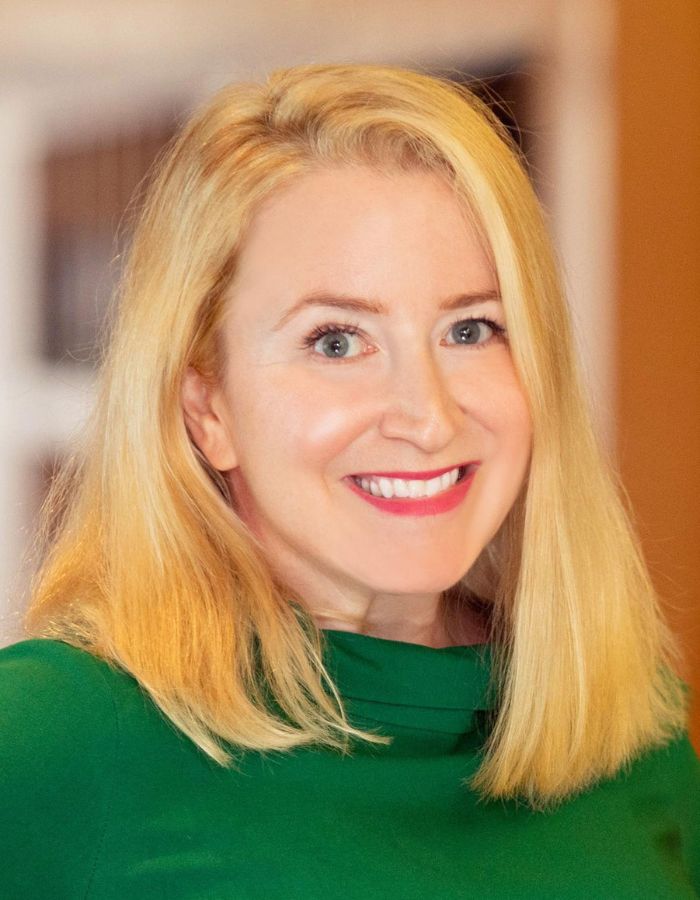
Mary Schaus, Founder, Talos Foundation.

“The most meaningful part of this work is seeing how awareness can change the environment around people,” says Mary Schaus, Founder of the Talos Foundation.

“When families, schools and workplaces begin to understand neurodiversity better, opportunities open up for individuals who might otherwise have been overlooked.”

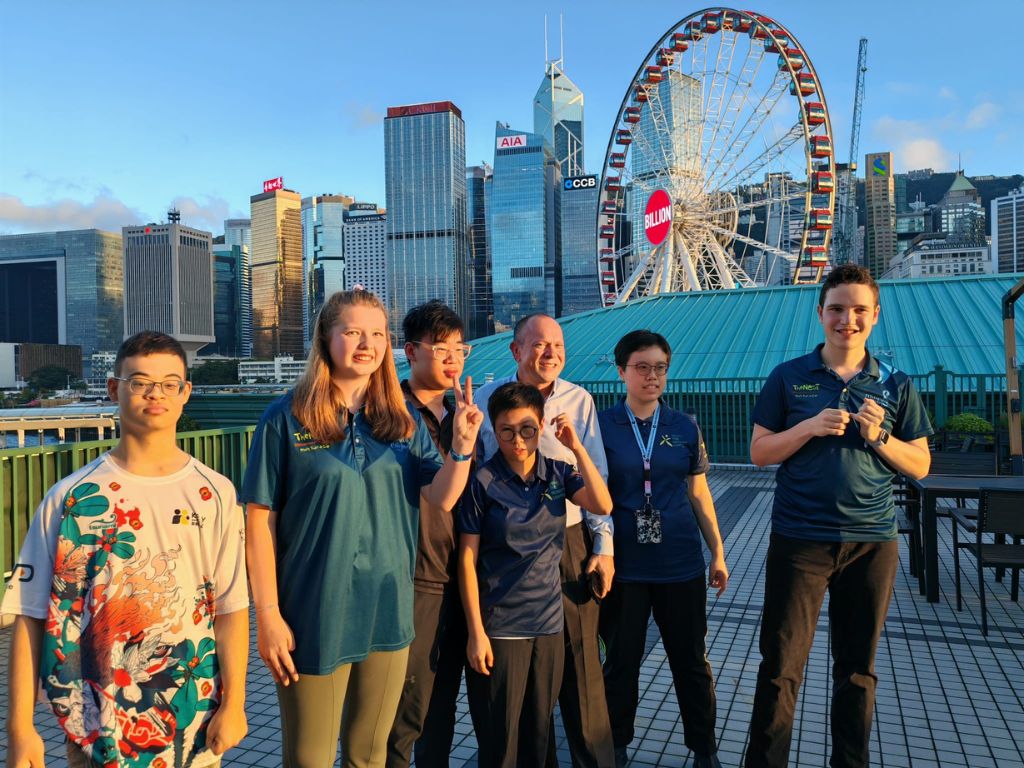
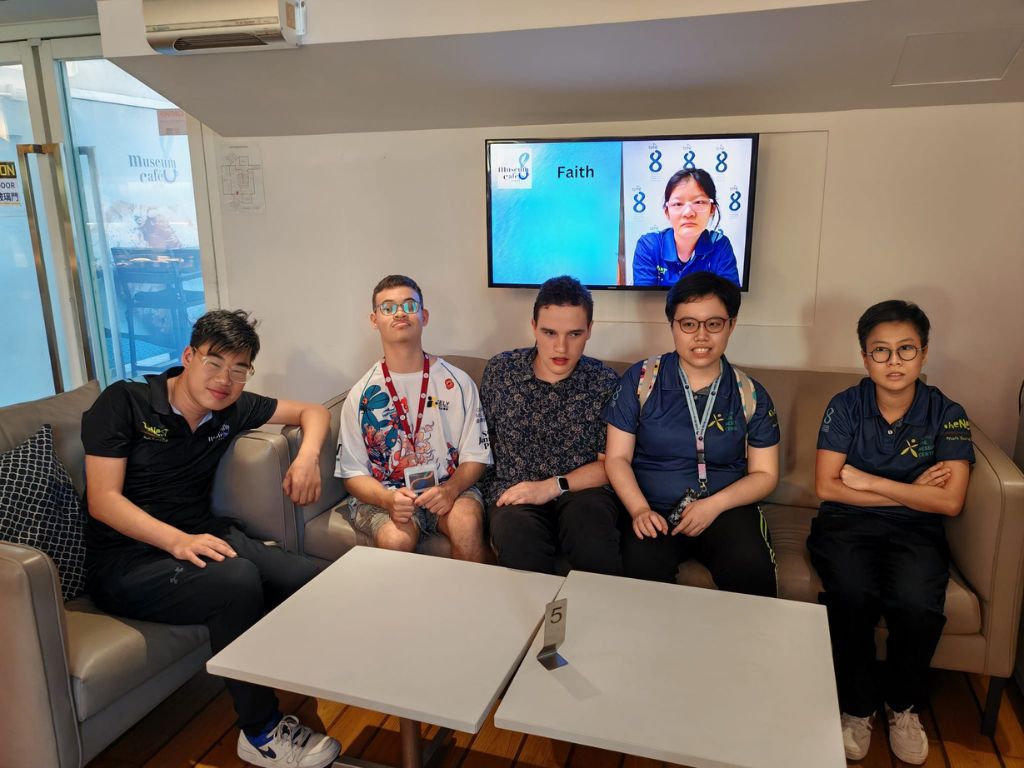
“Something as simple as understanding why a child behaves differently in public, or seeing a non-verbal young adult successfully working at one of our events, can shift perceptions dramatically.”

Talos Foundation
Flat/Rm 15, 18/F, W212212 Texaco Rd, Tsuen Wan, New Territories.

Share

About the Author

Being Neighbourly

For over 20 years, the people behind BN have been creating content on the best things in life: food, travel and inspirational people.

Hong Kong Shark Foundation
Support our mission to raise awareness about shark conservation.

www.hksharkfoundation.org

New Stories

Latest Posts

Stay Up To Date

Want the latest insights and fresh content delivered straight to your inbox? Subscribe to our newsletter and stay updated with our exclusive content!