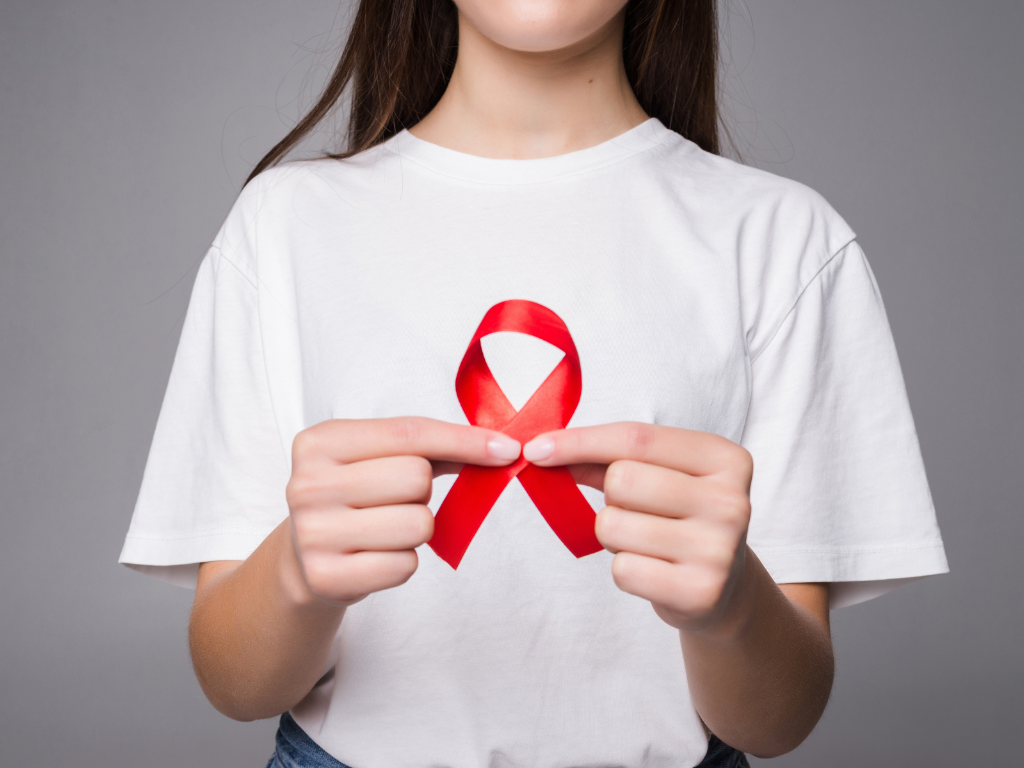
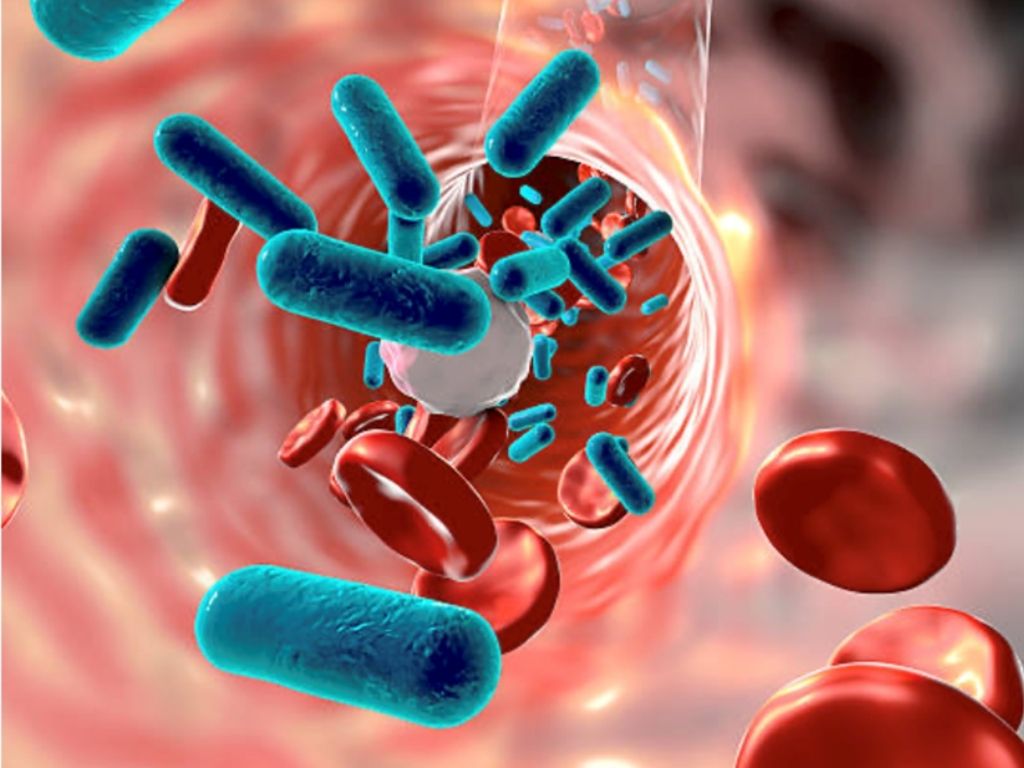
March is a significant month for health awareness, particularly on 10 March in the USA, which marks National Women and Girls HIV/AIDS Awareness Day (NWGHAAD). This day serves as a vital reminder to raise awareness about the impact of HIV/AIDS on women and girls, highlighting the need for education, prevention, and support within our communities.
Understanding the Impact
HIV/AIDS continues to be a pressing global health issue, with a disproportionate effect on women and girls. Worldwide, women account for about 50% of all people living with HIV, and in many regions, they are more vulnerable to the virus due to societal, economic and biological factors.In Hong Kong, while overall infection rates are relatively low, the number of women diagnosed with HIV has been stable, reflecting positive trends in recent years.
Based on recent surveillance reports from the Centre for Health Protection (CHP) of the Department of Health, the overall number of new HIV cases in Hong Kong has been decreasing. In 2024, there were 365 new cases reported, down from 397 in 2023. Although the majority of cases are in males (over 80%), the number of new cases in women has remained low and generally stable. In fact, there were 68 new female cases in 2024, and in the first half of 2025, there were 40 cases—indicating a continued downward trend.
Transmission Routes
HIV is primarily transmitted through certain behaviours and practices. The most common routes include:
Sexual Contact: This is the primary mode of transmission in over 95%, especially among men who have sex with men (MSM). However, heterosexual transmission also remains significant.
Contaminated Blood Products: While this is a potential transmission route, it is very unlikely in Hong Kong due to stringent screening procedures for blood donations and transfusions. The healthcare system maintains rigorous protocols to prevent this from occurring.
Contaminated Needles: Sharing needles through illegal drug use is another transmission route. However, this is not a major issue in Hong Kong (<3%), where programs and policies are in place to reduce such risks.
Why Awareness is Crucial
Increased awareness is crucial to reducing the stigma associated with HIV/AIDS and empowering women to take control of their health.Understanding transmission methods, prevention strategies, and available treatments can equip women and girls to make informed decisions about their sexual health.
Education plays a key role in prevention. Understanding that HIV is not solely a disease of marginalized communities but can affect anyone is essential. As we promote awareness, we create an environment where open conversations about sex, health, and well-being are normalized, thus eliminating shame and fear.
Key Strategies for Prevention
Empower Through Education: Providing comprehensive education about HIV transmission, prevention measures, and treatment options is vital. Community programs should focus on sexual health education for both women and men to foster a culture of shared responsibility. Workshops and seminars can help dispel myths and increase understanding around HIV/AIDS.
Promote Regular Testing: Encouraging routine testing for HIV, as well as related sexually transmitted infections (STIs), is crucial for early detection and treatment. Community health centres can facilitate accessible testing locations and anonymous services, making it easier for women and girls to prioritize their health without fear of judgment.
Safe Practices: Education on safe sex practices, including the use of condoms and PrEP (pre-exposure prophylaxis, a highly effective daily pill or periodic injection used by HIV-negative individuals) to can significantly reduce the risk of HIV transmission. Women should feel empowered to negotiate condom use with their partners and seek help if they feel pressure to engage in unsafe practices.
Support Systems: Building strong support networks within communities can profoundly impact the mental and emotional well-being of women living with HIV. Support groups and counseling services can provide a safe space for sharing experiences and accessing resources.
Advocate for Equality: Addressing the social and economic factors that contribute to women’s vulnerability to HIV is crucial. Advocacy for policies that promote gender equality can empower women, giving them the tools and resources needed to protect their health.
As we observe National Women and Girls HIV/AIDS Awareness Day, let’s commit to fostering a culture of awareness, empathy and empowerment in our community. By breaking down the barriers of stigma and ignorance, we can create an environment where women and girls feel confident in seeking the health services they need.
Together, let’s work toward a future where HIV/AIDS is seen not as a source of shame but as a manageable health condition. Every conversation contributes to saving lives, and by prioritizing education and awareness, we empower ourselves and those around us. Let’s make this March a month of empowerment and action in the fight against HIV/AIDS!
Share
About the Author
Dr. Donald Greig
Dr. Greig is a general surgeon with 26 years of experience in Hong Kong. He contributes to scientific literature, publishes weekly patient newsletters and serves as a well-being educator and communicator, collaborating with prominent institutions and companies.