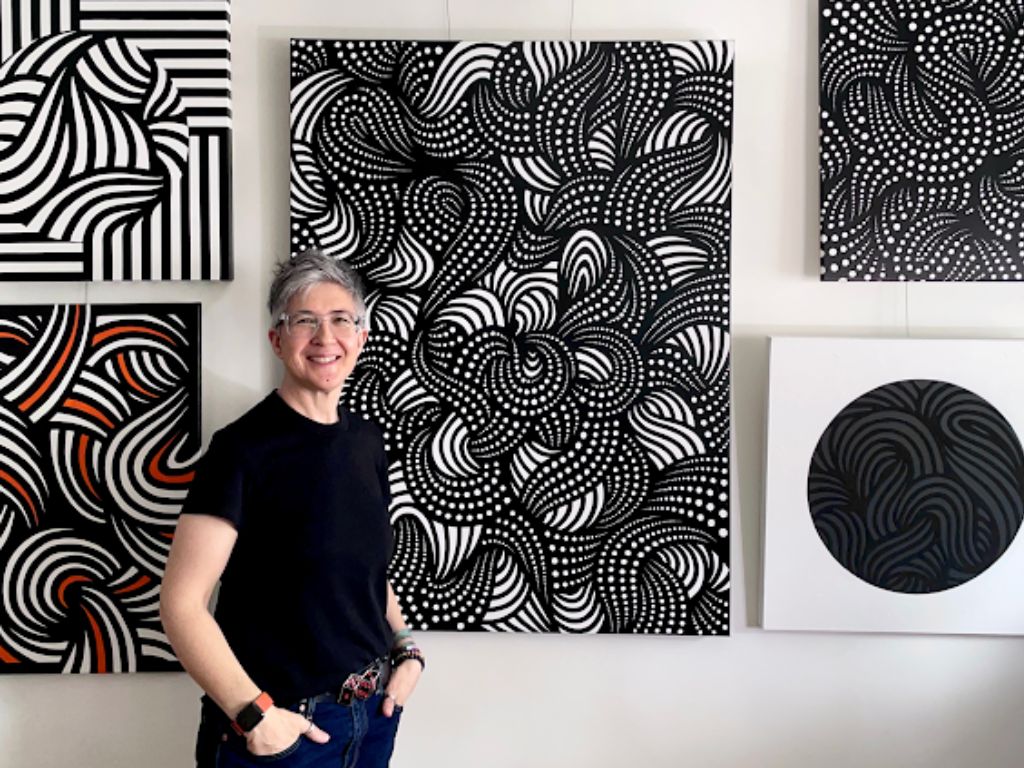
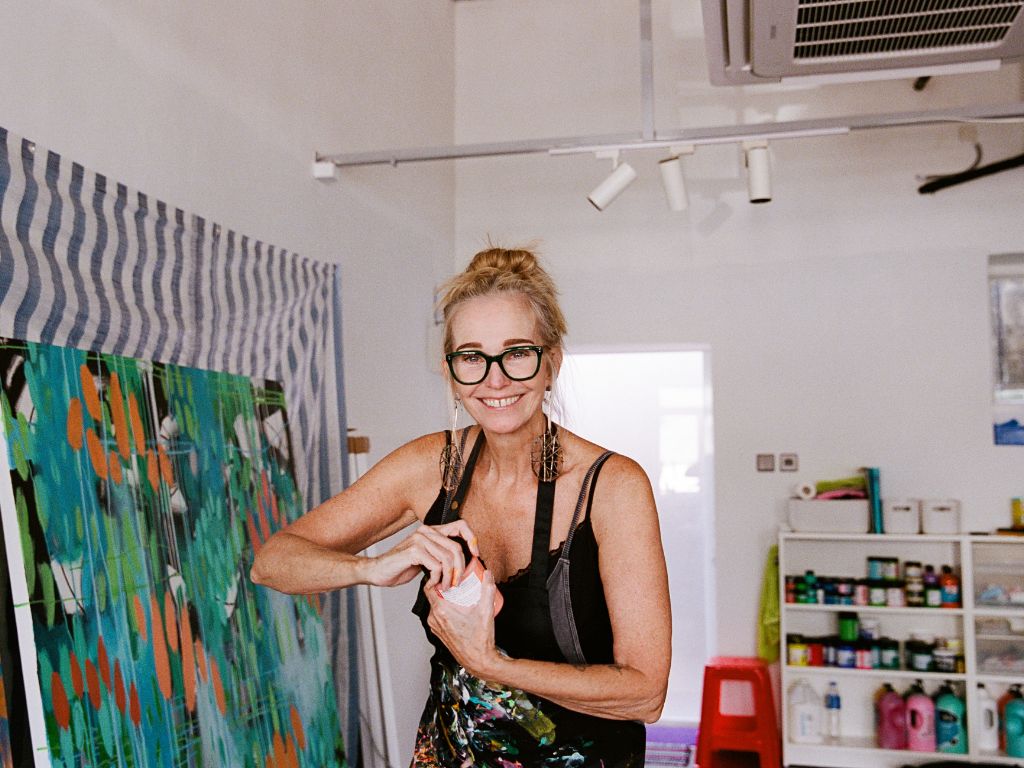
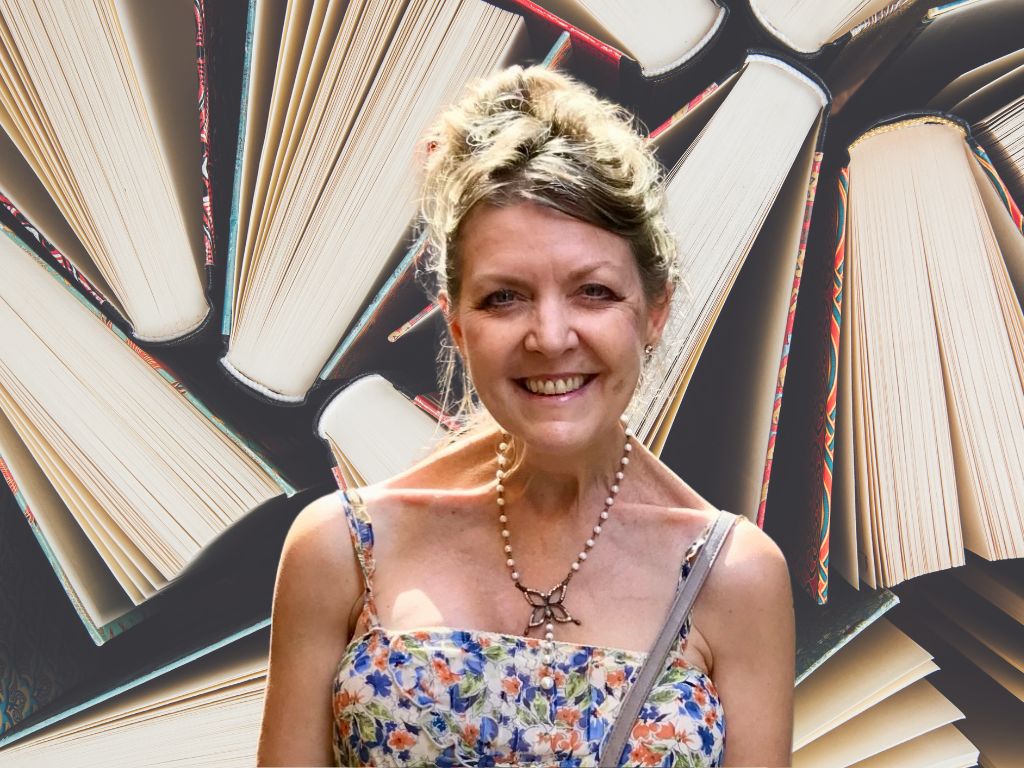
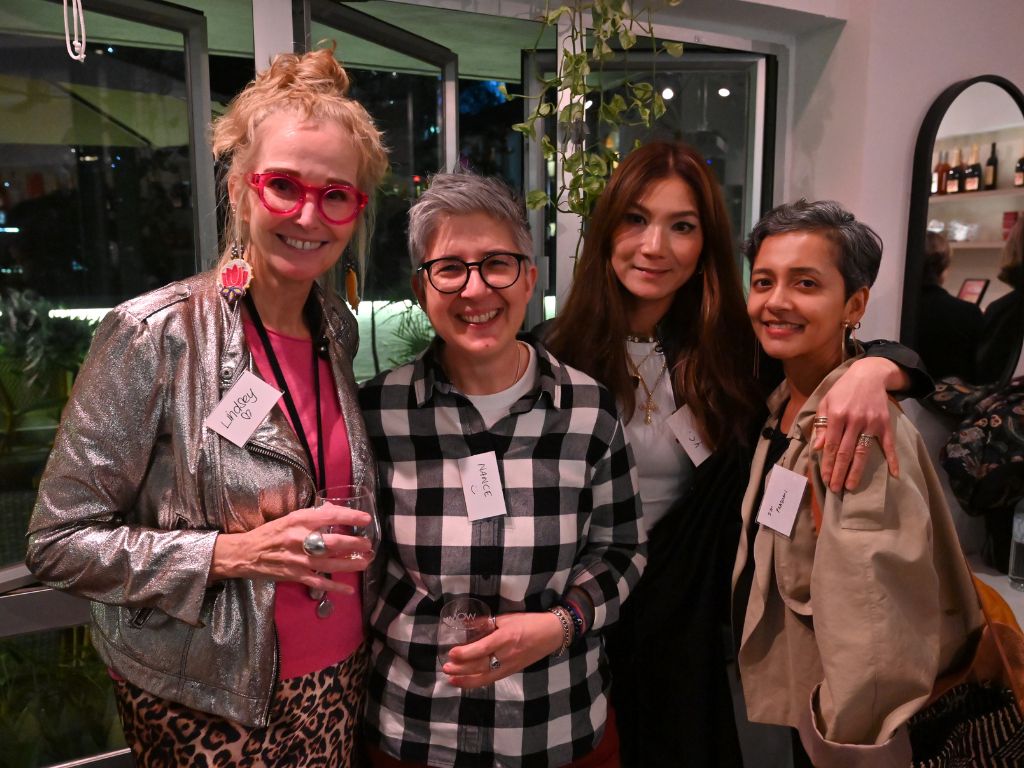
When British artist Nancy Lokos (known usually as ‘Nance’) reached out to Lindsey McAlister, OBE, who had begun revisiting her roots as an artist after a well-documented three and half decades in theatre, a plan was hatched and a group was born.
“I wanted to understand how she was navigating the artist journey. What started as a conversation about the practical realities of being an artist in Hong Kong quickly deepened into a friendship built on shared values: a belief in the power of community, the importance of supporting other artists, and the conviction that creativity thrives when we stop competing and start collaborating,” says Lokos.
The Creative Art Community HK WhatsApp group grew out of a desire to break the isolation that so many artists in Hong Kong feel and to build a more connected, mutually supportive creative community.
Its mission is to create a vibrant network where artists can share ideas, exchange feedback, discover opportunities and collaborate —be vulnerable— ultimately strengthening the wider Hong Kong arts ecosystem so everyone has a better chance to thrive. Some practical highlights include: knowledge sharing, members swapping recommendations for framers, art supplies, studio spaces and even shipping companies, “as well as impromptu collaborations that have emerged organically,” says Lokos.
“Creative Art Community HK inspires me most in the way it turns generosity into a daily creative practice,” says McAlister. “It is a living network where people actively share opportunities, contacts and ideas, so that one person’s good news or commission can become a doorway for someone else. That culture of open-handed sharing keeps me alert to new possibilities and is a constant reminder that an artist’s path does not have to be navigated alone.” According to Lokos, the group has created an environment that
“Hong Kong has established itself as an undeniable art hub in Asia. We host major international events like Art Basel, Art Central, and Fine Art Asia, and the city is home to world-class galleries and museums that draw collectors and art lovers from around the globe,” says artist Nancy Lokos, adding that there’s a palpable energy and appetite for art that feels stronger than ever.
“What excites me most, though, is the grassroots movement happening alongside these high profile events,” she continues. “There’s a growing number of individuals and small organizations and galleries genuinely committed to promoting Hong Kong artists specifically, not just the art market in general.”
“Alternative art spaces, pop-up exhibitions and artist collectives are creating pathways for local artists to gain visibility outside the traditional gallery system.”
But challenges remain. Studio spaces are expensive, and many talented artists still struggle to make a sustainable living from their work. But overall, Lokos says, “I feel optimistic, we just need people to understand that in order for our vibrant local art scene to thrive we need more people and organisations to actively support the artists who live and work here.”
nurtures both individual practice and collective growth.”
“The group offers the kind of supportive space that all artists need but do not always have, especially when working independently,” adds Lokos.
Even though Creative Art Community HK has only been running for a year, the connections formed are already bearing fruit, with members co-creating exhibitions and new projects together.
The group was formed under its earlier name Creative Collaborators Hong Kong in 2024 and now counts more than 300 artist members, with its new incarnation being an umbrella group under which there are the current sub-groups: General, Exhibitions, Promote and Collaborate.
Members span a diverse spectrum. “We have emerging artists taking their first brave steps into the art world alongside established artists with decades of exhibition history,” shares Lokos. According to the pair, the genres are equally varied, painters, sculptors, mixed-media creators, photographers, and so forth. “What unites them isn’t a particular style or level of success, but rather a shared desire for connection and a willingness to help other artists”.
“I don’t think of myself as a “leader” in the traditional sense, I’m simply someone who believed change starts with action, and between Lindsey and me, we decided to take that action. We saw a need for a collective space where artists could connect, support each other, and share opportunities, and rather than waiting for someone else to create it, we just did it ourselves. I suppose that makes us leaders by default, but it feels more accurate to say we’re artists who care deeply about other artists and wanted to do something tangible.
What truly motivates me isn’t any sense of being ‘in charge’, it’s the reward of connecting with hundreds of artists across Hong Kong and witnessing what happens
when you give people a platform to find each other.” Lokos continues: “I’ve watched collaborations emerge that wouldn’t have existed otherwise, seen opportunities shared that changed someone’s trajectory, and felt the warmth of a community that genuinely celebrates each other’s successes. That’s what keeps me committed to this group. I’m less concerned with whether I’m a leader and more focused on keeping the momentum going, nurturing the connections that are forming and making sure this space continues to serve the artists who need it.”
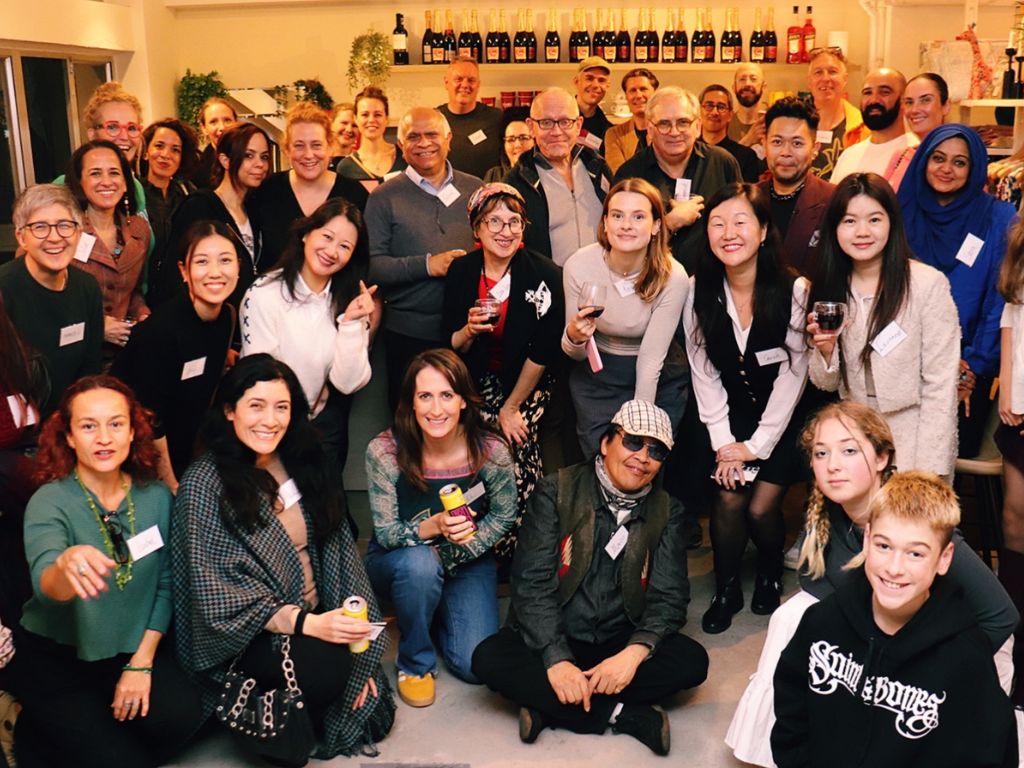
Creative Art Community HK supplements its online chat with group meet-ups, which have been spaced a few months at a time to whet members’ appetites for seeing friends and making new connections.
“Meeting in person matters because so much of human connection lives in those shared moments. In theatre, rehearsals only truly catch fire when people are physically in a room together, breathing the same air and responding to each other in real time – that’s when a cast stops being a group of individuals and starts to feel like a tribe. The same thing happens when artists gather… slowly, strangers become collaborators, and collaborators become a community that has your back,” says McAlister.
“For my visual art, those face-to-face meetings don’t just spark new ideas, they create a sense of belonging – a feeling of ‘These are my people, this is my place’ – that you cannot replicate on a WhatsApp thread. They remind everyone that behind every canvas is a real, three-dimensional human being who wants to be seen, heard and understood,” says the Brit.
Meanwhile, for Lokos, one of the most notable experiences has been watching strangers become genuine supporters of each other’s work. “I’ve seen members show up to each other’s exhibitions, create opportunities, and offer thoughtful guidance. There’s a warmth in the way people celebrate each other’s achievements.”
“Leadership, for me, is less about a title and more about inspiring others by opening doors and holding space. Creative Art Community HK has become a way of doing exactly that – using whatever experience, contacts and platforms I have to offer opportunities, encouragement and visibility to other artists,” says artist and Theatre producer, Lindsey McAlister, OBE.
“Founding and leading Hong Kong Youth Arts Foundation has shaped a lot of this outlook. Years of working with young people in the rehearsal room – building ensembles, nurturing emerging voices and creating large-scale productions from scratch – has taught me that real ‘leadership’ lives in how you support others to grow. That same spirit flows into my visual art projects and into Creative Art Community HK, where the focus is on lifting others up, sharing knowledge and making sure people feel they belong in the arts landscape.”
“In both my theatre and visual artwork, leadership has always meant helping others step into their own power – listening, mentoring younger creatives and creating environments where people feel safe to experiment and take risks. Creative Art Community HK extends this into the wider community by acting as a resource, a sounding board and a place where artists feel seen and backed, not just in their work, but in their courage to keep going.”
“Over time, this has started to feel less like leading from the front and more like walking alongside others… that, to me, is the heart of community leadership: inspiring through action, sharing what you have, and making sure the path behind you is brighter and wider for those who follow – whether they meet me in a theatre, a gallery or through Creative Art Community HK.”
Being an artist in any city is not easy and Hong Kong is no exception. The challenges of sky-high housing, studio, gallery and exhibition space means that artists have to make difficult choices, covering the cost of living expenses versus the cost of promoting your art and self-funding exhibitions just to get your art seen.
Creative Art Community HK helps with the more practical aspects of artistic existence, such as how artists can buffer and preserve enough of their own physical, mental and emotional space to create art for art’s sake instead of creating art for the art market, but, equally, to make sure they can generate some income.
“Artists approach the question of balancing creativity and the art market in very different ways, depending on their personality, financial situation and where they are in their careers,” says McAlister, adding that for some, it’s about being practical—fighting for affordable studio space, sharing workspaces, or relocating to cheaper areas so they can afford the freedom to experiment without every canvas needing to sell.
Others, she says, focus on boundaries, separating their “market work” such as commissions, art fairs, or prints from their “sacred work”—personal projects created purely for themselves, free from commercial pressure.
“Some artists use the art market strategically, embracing galleries, social media and online platforms as tools to sustain their practice while keeping their core ideas non‑negotiable. Others step entirely outside the system, founding artist‑run spaces or alternative galleries to exhibit work on their own terms.”
“Ultimately, many describe this balance as an ongoing dance—constantly checking in with themselves, deciding how much to engage with trends, and ensuring there’s always at least one project that belongs solely to them, even if it never finds its way into a gallery,” shares McAlister.
Meanwhile, for Lokos, “It comes down to staying true to what you genuinely want to express through your art, the feelings, experiences, and ideas that the artist wants the world to know about.”
“That said, I don’t think artists should be naive about the business side,” she continues. “Understanding pricing, contracts, marketing and how galleries operate is essential for sustainability. The key is learning those skills without letting them shape or compromise the work itself.”
Lokos adds that art needs to be driven from the heart, mind and lived experience first. It’s a balancing act, but I’ve come to see that finding your audience and collectors is part of the journey, not a compromise of your vision, but rather discovering the people who genuinely connect with what you’re already making. When that alignment happens, the business side feels less like a necessary evil and more like a natural extension of sharing work that matters.”
And what of the future of Creative Art Community HK? “The focus has always been on sharing, connection and kindness – swapping experiences, resources and gentle encouragement rather than services or sales links,” says McAlister, adding that this intention remains at the heart of everything. “The group exists first and foremost as a network of humans helping humans, artists holding space for other artists.”
As for Lokos’s vision of the future, “Moving forward, I’d love to see us create more structured knowledge-sharing sessions where members can present specific topics, anything from pricing work to navigating galleries to managing the business side of being an artist. Ultimately, I want us to keep listening to what the members need and let the group evolve in response to those real, expressed needs,” enthuses Lokos.
She continues, “As the group matures, there might be value in creating separate, parallel initiatives or occasional events where we invite gallerists, curators, or dealers to engage with our community, panel discussions, Q&A sessions, or insights into the challenges the industry faces. The key would be maintaining clear boundaries so the core group remains the protected space artists need, while selectively opening doors to industry connections that could genuinely benefit members,” she adds.
“For some artists – myself included – it is actually very natural to be a bit “performative” on social media, because there is no real separation between the work and the person behind it. I am my art and my brand, so when I share behind-the-scenes footage, or celebrate a new project, it still feels rooted in something honest,” shares Lindsey McAlister, OBE.
“But that is not the only valid way to be an artist. Not everyone wants, or needs, to perform online, and a quiet, private studio practice is just as powerful as a highly visible one.”
“The danger comes when we start comparing, competing, or copying each other’s style instead of honouring our own rhythm. The art world is already tough enough, so rather than judging who is “too much” or “too invisible”, we can choose to support each other – amplifying the work we love, sharing opportunities, and remembering that there is room for many different ways of being an artist.”
For over 20 years, the people behind BN have been creating content on the best things in life: food, travel and inspirational people.
Want the latest insights and fresh content delivered straight to your inbox? Subscribe to our newsletter and stay updated with our exclusive content!